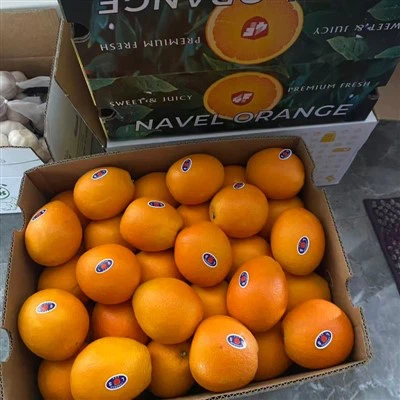
Storing in the Refrigerator (Long-Term Freshness)
For maximum shelf life, store navel oranges in the refrigerator. Place them in the crisper drawer, which maintains higher humidity and slows moisture loss. The cool temperature (ideally between 35°F and 40°F) significantly slows down the ripening and decay process.
Shelf Life: 2 to 4 weeks when refrigerated properly. Keep them away from strong-smelling foods, as oranges can absorb odors through their porous peels.
Storing at Room Temperature (Short-Term & Optimal Flavor)
If you plan to consume the oranges within a few days, keeping them at room temperature is ideal. Oranges stored at room temperature (around 68°F–72°F) tend to taste sweeter and juicier because cold storage can temporarily mute flavor compounds.
Shelf Life: Up to 1 week. Avoid direct sunlight and heat sources like stoves or radiators, which accelerate softening and mold growth.
Ventilated Storage (Prevent Moisture Buildup)
Air circulation is key to preventing mold and rot. Store navel oranges in a well-ventilated container such as a mesh produce bag, wicker basket, or perforated plastic bin. This allows airflow while protecting the fruit.
Avoid: Sealing oranges in airtight plastic bags or non-ventilated containers. Trapped moisture creates a breeding ground for mold and speeds up spoilage.
Long-Term Storage Options (Freezing & Preservation)
If you have more navel oranges than you can consume in a few weeks, consider preserving them for future use:
Freezing Whole Oranges: Best used for juicing later. Wash and dry thoroughly, then place in a freezer bag. Note: texture becomes soft and pulpy when thawed, so not ideal for eating raw.
Freezing Segments: Peel and separate into segments, removing any seeds and pith. Arrange on a tray, freeze individually, then transfer to airtight containers. Perfect for smoothies or desserts.
Make Marmalade or Preserves: Cook peeled and chopped oranges with sugar and water to create a shelf-stable preserve. Process in sterilized jars using a water bath canning method for long-term pantry storage (up to 1 year).