


Hey there, folks! As a potato supplier, I've seen my fair share of spuds, both good and bad. Quality control is a big deal in our business, and being able to spot a bad potato is super important. Not only does it help us keep our customers happy, but it also ensures that only the best potatoes make it to the market. So, let's dive into the signs that tell you you've got a less - than - perfect potato on your hands.

Physical Appearance
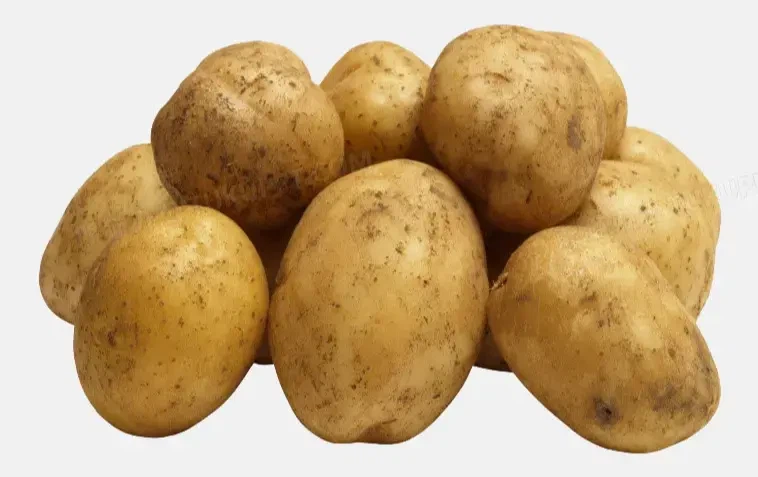
One of the first things you're gonna notice when checking a potato is its physical look. A healthy potato usually has a smooth, firm skin. If you see wrinkled or shriveled skin, that's a red flag. Wrinkles happen because the potato has lost moisture, which could mean it's been sitting around for too long. Think of it like an old apple with that dry, saggy skin. When potatoes start to lose water, they also tend to lose their flavor and texture.
Another tell - tale sign is the presence of cuts, bruises, or soft spots. When you're handling potatoes, they're sometimes at risk of getting knocked around. But those cuts can let bacteria and fungi in, leading to rot. A bruised or soft spot might feel mushy to the touch. You don't want to use potatoes with these issues because the rot can spread if you store them with the good ones.
Have you ever seen a potato with green patches on its skin? That green color comes from solanine, a natural toxin that potatoes produce when they're exposed to light. Solanine can be harmful if you eat too much of it, causing symptoms like nausea, vomiting, and diarrhea. So, if you see green on a potato, it's best to cut off the green part or just toss the whole thing.
Sprouting
Sprouting is another big sign of a potato past its prime. When potatoes start to sprout, it means they're getting ready to grow into a new plant. While a small sprout might not be the end of the world, large or multiple sprouts are a problem. Sprouting uses up the potato's stored energy and nutrients, which means the potato itself becomes less nutritious and less flavorful. Plus, sprouted potatoes can sometimes have a bitter taste.
The longer the sprouts are, the more likely the potato has started to break down. You can cut off small sprouts and still use the potato, but if the potato is covered in sprouts, it's probably better to get rid of it.
Mold Growth
Mold is a huge no - no when it comes to potatoes. Mold can look like fuzzy patches of different colors, like white, green, or black. It usually grows in damp or humid conditions, and it can spread quickly from one potato to another. Eating moldy potatoes can make you sick, so you definitely don't want to include them in your supply.
If you find a moldy potato in a batch, you need to remove it right away and check the other potatoes around it. Sometimes, mold can leave behind spores that can infect nearby potatoes, so it's important to be thorough.
Smell
The smell of a potato can also give you clues about its quality. A fresh, healthy potato has a mild, earthy smell. But if a potato smells sour, musty, or just plain off, that's a sign that something's wrong. A bad smell could mean there's rot or mold inside the potato, even if you can't see it on the outside.
When you're inspecting a batch of potatoes, take a few seconds to give them a little sniff. If you detect any strange smells, it's best to separate those potatoes from the rest of the lot.
Softness and Texture
A good potato should be firm. If you squeeze a potato and it's soft or mushy, it's not going to be great to eat. Soft potatoes have likely started to break down internally, which affects their taste and cooking properties. They might turn into a gooey mess when you try to cook them, rather than having the nice, fluffy texture you expect from a potato.
On the other hand, super hard potatoes can also be a problem. Sometimes, they might be under - ripe or have been stored in conditions that have made them tough. These potatoes might not cook evenly and could end up being too starchy or chewy.
Why It Matters for a Supplier
As a potato supplier, it's crucial that we can identify these signs of bad potatoes. Our reputation depends on providing high - quality products to our customers. If we send out a shipment with bad potatoes, it can lead to unhappy customers and even lost business.
We have to be extra careful during the sorting process. We use a combination of visual inspection, touch, and smell to make sure that only the best potatoes are packed and shipped. This takes time and effort, but it's worth it in the long run to keep our customers satisfied.
Our High - Quality Potato Offerings
At our place, we take pride in offering top - notch potatoes. We have a great selection of New Harvest Potato. These are freshly harvested potatoes that have that perfect balance of flavor and texture. They're firm, with smooth skins, and they're free from all those signs of bad potatoes we just talked about.
Another great option is our Yulin Fresh Potato. These potatoes come from a region known for its ideal growing conditions, which means they have a unique and delicious taste. We've got strict quality control measures in place to ensure that every Yulin Fresh Potato we supply meets our high standards.
And for our international customers, we're involved in Exporting High Quality Fresh Potato From China. We understand the importance of delivering the best potatoes across the globe, and we work hard to make sure that our exported potatoes are of the highest quality.
Let's Do Business
If you're in the market for fresh, high - quality potatoes, we'd love to hear from you. Whether you're a restaurant owner, a grocery store manager, or just someone who loves potatoes and wants to buy in bulk, we've got the perfect spuds for you. We're committed to providing excellent service and top - notch products. So, if you're interested in starting a partnership or just want to learn more about our potato offerings, don't hesitate to reach out. Let's have a chat and see how we can work together to get the best potatoes on your shelves or in your kitchen.
References
- "The Potato: Botany, Production and Uses." By David V. O. Harrison.
- "Potato Diseases: Diagnosis and Management" from various agricultural research institutions.
