


Lime and orange are two popular citrus fruits known for their vibrant flavors, nutritional benefits, and versatility in culinary applications. As a lime orange supplier, I often get asked about how long these fruits last. Understanding the shelf life of lime and orange is crucial for both consumers and businesses to ensure they enjoy the fruits at their best quality. In this blog post, I'll delve into the factors that affect the longevity of lime and orange, provide tips on proper storage, and share insights on how to tell if they've gone bad.
Factors Affecting the Shelf Life of Lime and Orange
The shelf life of lime and orange can vary depending on several factors, including the ripeness of the fruit at the time of purchase, storage conditions, and the variety of the fruit.
Ripeness
Ripe limes and oranges tend to have a shorter shelf life compared to unripe ones. When fruits are fully ripe, they are more prone to spoilage as the enzymes responsible for ripening continue to break down the fruit's tissues. Therefore, if you plan to store limes and oranges for an extended period, it's advisable to choose slightly underripe fruits.
Storage Conditions
The way you store limes and oranges plays a significant role in determining their shelf life. These fruits are sensitive to temperature, humidity, and exposure to air. Here are some general guidelines for storing limes and oranges:
- Room Temperature: Limes and oranges can be stored at room temperature for a few days. However, this is only suitable if you plan to consume them soon. Keep them in a cool, dry place away from direct sunlight and heat sources.
- Refrigeration: For longer storage, refrigeration is the best option. Place limes and oranges in the crisper drawer of your refrigerator, where the temperature is around 32°F to 40°F (0°C to 4°C). This helps slow down the ripening process and extends their shelf life.
- Humidity: Limes and oranges prefer a relatively high humidity environment. You can maintain the humidity by placing a damp paper towel in the storage container or using a produce storage bag with ventilation holes.
Variety
Different varieties of limes and oranges may have different shelf lives. Some varieties are more resistant to spoilage and can last longer than others. For example, Persian limes are known to have a longer shelf life compared to Key limes.
How Long Do Limes Last?
The shelf life of limes can vary depending on the storage conditions. Here's a general breakdown of how long limes last:
- At Room Temperature: Limes can last for about 1 to 2 weeks at room temperature. However, they may start to lose their freshness and flavor after a few days.
- In the Refrigerator: When stored in the refrigerator, limes can last for up to 4 to 6 weeks. The cold temperature slows down the ripening process and helps preserve their quality.
- Frozen: If you have an abundance of limes, you can freeze them for long-term storage. Wash the limes, pat them dry, and place them in a freezer-safe bag or container. Frozen limes can last for up to 6 months. However, keep in mind that the texture of the limes may change after freezing, and they may become softer and less juicy.
How Long Do Oranges Last?
Similar to limes, the shelf life of oranges depends on the storage conditions. Here's a general guide on how long oranges last:
- At Room Temperature: Oranges can last for about 1 to 2 weeks at room temperature. However, they may start to dry out and lose their flavor after a few days.
- In the Refrigerator: When stored in the refrigerator, oranges can last for up to 3 to 4 weeks. The cold temperature helps slow down the ripening process and keeps the oranges fresh.
- Frozen: Oranges can also be frozen for long-term storage. Peel the oranges, separate the segments, and place them in a freezer-safe bag or container. Frozen oranges can last for up to 6 months. However, like limes, the texture of the oranges may change after freezing.
Signs That Limes and Oranges Have Gone Bad
It's important to know how to tell if limes and oranges have gone bad to avoid consuming spoiled fruits. Here are some signs to look out for:
- Mold: If you notice mold growing on the surface of the lime or orange, it's a clear sign that the fruit has gone bad. Mold can spread quickly and contaminate the entire fruit, so it's best to discard it.
- Soft Spots: Soft spots on the fruit indicate that the tissues have started to break down, and the fruit is no longer fresh. If the fruit feels mushy or has a strong odor, it's likely spoiled.
- Discoloration: A change in color, such as a darkening or browning of the skin, can also be a sign of spoilage. However, some discoloration may be normal due to the natural ripening process, so it's important to look for other signs as well.
- Off Odor: If the lime or orange has a strong, unpleasant odor, it's a sign that it has gone bad. Fresh limes and oranges should have a citrusy, refreshing smell.
Tips for Extending the Shelf Life of Limes and Oranges
To maximize the shelf life of limes and oranges, here are some tips to keep in mind:
- Buy Fresh: Choose limes and oranges that are firm, brightly colored, and free of bruises or blemishes. Avoid fruits that are overly soft or have a dull appearance.
- Store Properly: As mentioned earlier, store limes and oranges in the refrigerator to extend their shelf life. Use a produce storage bag or container to maintain the humidity and prevent the fruits from drying out.
- Separate Ripe and Unripe Fruits: If you have both ripe and unripe limes and oranges, store them separately. Ripe fruits produce ethylene gas, which can speed up the ripening process of unripe fruits and cause them to spoil faster.
- Use as Soon as Possible: While limes and oranges can be stored for a certain period, it's best to use them as soon as possible to enjoy their fresh flavor and nutritional benefits.
Our Lime Orange Products
As a lime orange supplier, we offer a wide range of high-quality lime orange products to meet the needs of our customers. Our 5kgs Basket Lime Orange is a popular choice for those who want to buy in bulk. It contains fresh, juicy limes and oranges that are perfect for cooking, juicing, or enjoying as a snack.
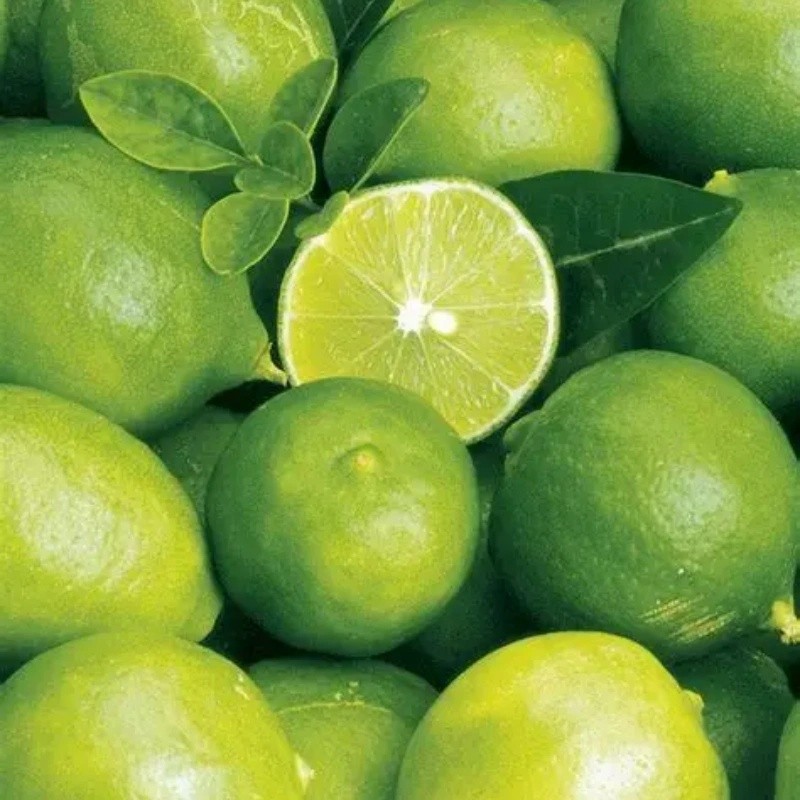
We also offer Premium Lime Oranges Small Green Lime, which are known for their intense flavor and aroma. These limes are ideal for adding a tangy twist to your favorite dishes and beverages.
In addition, we have Fresh Green Lemon, which is a versatile citrus fruit that can be used in a variety of recipes. Our lemons are fresh, juicy, and packed with vitamin C.

Contact Us for Purchase
If you're interested in purchasing our lime orange products, please don't hesitate to contact us. We're committed to providing our customers with the best quality products and excellent customer service. Whether you're a restaurant owner, a grocery store manager, or an individual consumer, we can help you meet your lime orange needs.
References
- "The Complete Book of Citrus Fruits" by Elizabeth Schneider
- "The Citrus Book: A Guide to the World's Most Versatile Fruit" by Christine McFadden
- "The Fruit Bible: The Essential Guide to Selecting, Storing, and Enjoying the World's Best Fruits" by Joan Whitman and Allan Davidson
