


As a fresh grape supplier, I often get asked a variety of questions about the fruit we offer. One query that comes up quite frequently is, "Do fresh grapes have fiber?" This may seem like a simple question, but it encompasses a range of aspects, from the health benefits of fiber in grapes to how different varieties stack up in terms of fiber content. Let's dive into the world of fresh grapes and explore their fiber properties.
Fiber in a Nutshell
Fiber is an essential component of a healthy diet. It broadly falls into two categories: soluble and insoluble fiber. Soluble fiber dissolves in water to form a gel - like substance, which can help lower cholesterol and regulate blood sugar levels. Insoluble fiber, on the other hand, adds bulk to the stool and helps prevent constipation, keeping the digestive system running smoothly.
Fiber Content in Fresh Grapes
The answer to whether fresh grapes have fiber is a resounding yes. Grapes contain both soluble and insoluble fiber. On average, a cup (about 151 grams) of fresh grapes provides around 1.4 grams of dietary fiber. While this may not seem like a huge amount compared to some high - fiber foods like beans or whole grains, it still plays a role in contributing to your daily fiber intake.
The fiber in grapes is distributed throughout the fruit. The skin of the grape is particularly rich in insoluble fiber. When you eat grapes with the skin on, you are getting a good dose of this type of fiber, which aids in digestion. For those who are focused on heart health, the soluble fiber in grapes can be beneficial. It can help bind to cholesterol in the digestive tract and prevent its absorption into the bloodstream.
Different Grape Varieties and Their Fiber
Not all grape varieties are created equal when it comes to fiber content. There are thousands of grape varieties around the world, each with its own unique characteristics, and fiber is one of them.
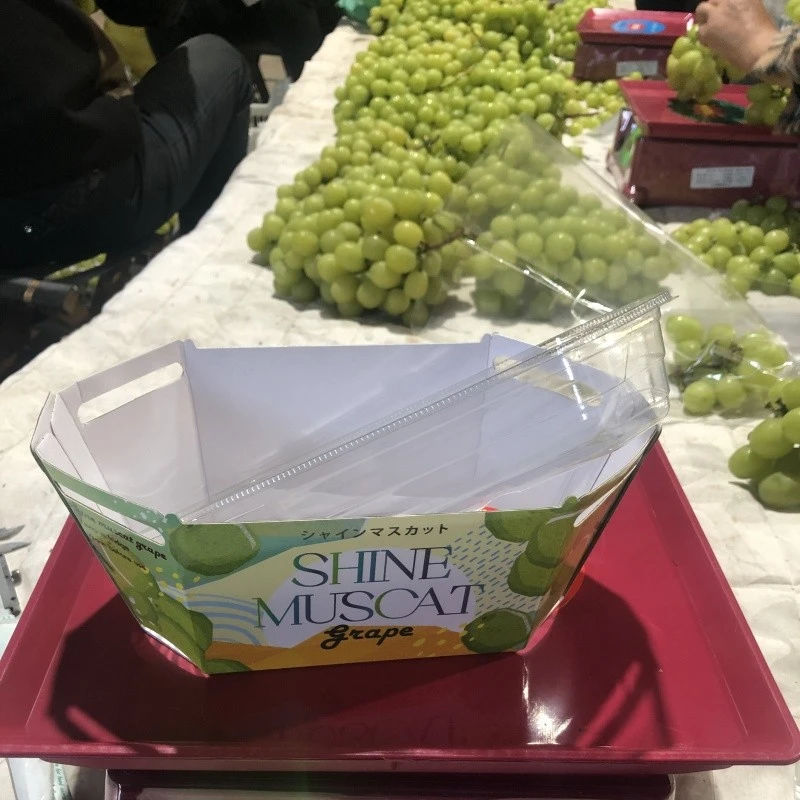

Our Fresh Sunshine Muscat is a delight both in taste and nutrition. These grapes have a moderately sweet flavor and their skin is a good source of fiber. Due to their relatively thin skin compared to some other varieties, the overall fiber content per grape might be slightly less than, say, those with thicker skins. However, in a cup - serving, it still provides a decent amount of fiber, thanks to the fact that they are often quite juicy and an individual may consume more of them at once.
The 24mm+ Muscat Grape also offers a fair share of fiber. The larger size of these grapes means that the skin area, where a significant amount of the fiber is found, is greater. You'll get a satisfying crunch from the skin, which is not only enjoyable but also a great source of insoluble fiber to help keep your digestive system healthy.
Our 26mm Red Global Grape stands out as well. These grapes have a deep red color, indicating a high presence of antioxidants, along with a respectable amount of fiber. The combination of antioxidants and fiber makes them a great addition to your diet, offering both health - promoting and digestive benefits.
Why Fiber in Grapes Matters
Including fresh grapes in your diet can be an easy way to increase your fiber intake. For people who struggle to meet their daily fiber requirements, a handful of grapes can be a delicious snack that helps bridge the gap.
Fiber is crucial for maintaining a healthy gut microbiome. The gut is home to trillions of bacteria, and fiber provides food for these beneficial bacteria. A healthy gut microbiome is linked to improved immune function, better mental health, and even weight management.
Moreover, the fiber in grapes can help you feel full for longer. This is particularly beneficial for those looking to manage their weight. Instead of reaching for high - calorie, low - nutrient snacks, a serving of fresh grapes can curb your hunger pangs and provide essential nutrients.
How to Incorporate Fiber - Rich Grapes into Your Diet
There are numerous ways to enjoy fresh grapes while getting the benefits of their fiber. You can simply eat them as a snack on their own, which is a convenient option when you're on the go.
They can also be added to salads for a burst of sweetness and a touch of crunch. Whether it's a green salad with lettuce, spinach, and feta cheese or a fruit salad with strawberries, bananas, and kiwis, grapes are a versatile addition.
Grapes can also be made into smoothies. Blend them with yogurt, milk, and other fruits like blueberries or mangoes for a fiber - rich and refreshing drink. This is a great option for breakfast or as a post - workout snack.
Grape Quality and Fiber Retention
As a fresh grape supplier, we understand the importance of maintaining the quality of the fruit to preserve its fiber content. We take great care in the cultivation of our grapes. Our vineyards are managed using sustainable farming practices that ensure the grapes receive the right amount of nutrients, water, and sunlight.
Harvesting is done at the optimal time. Grapes that are picked too early may not have reached their full fiber - development potential, while overripe grapes may start to lose some of their fiber and other nutrients. Once harvested, we use careful handling and storage techniques to keep the grapes fresh. This includes proper temperature control during transportation and storage, as extreme temperatures can degrade the fiber and other nutrients in the grapes.
Connect with Us for Your Grape Needs
If you're a retailer, distributor, or just someone who loves fresh, fiber - rich grapes, we'd love to hear from you. As a fresh grape supplier, we are committed to providing the highest quality grapes. We offer a wide range of grape varieties, including the ones mentioned above, with consistent quality and freshness.
Whether you're looking to stock up your store shelves or simply want to enjoy the health benefits of fresh grapes in your home, we're here to help. Reach out to us for more information on our products, pricing, and delivery options. Let's start a conversation about how our fresh grapes can meet your needs.
References
- Harvard T.H. Chan School of Public Health. (2022). The Nutrition Source: Fiber.
- USDA FoodData Central. (2023). Nutrient data for grapes.
- American Heart Association. (2021). Benefits of dietary fiber.
