


Cooking is an art that transforms raw ingredients into delicious meals, but it also has a profound impact on the nutritional value of the foods we eat. As a fresh carrot supplier, I've witnessed firsthand the importance of understanding how different cooking methods can affect the nutrients in these vibrant vegetables. Carrots are not only a staple in many diets but also a rich source of vitamins, minerals, and antioxidants. In this blog, we'll explore how various cooking techniques can either enhance or diminish the nutritional content of fresh carrots.
The Nutritional Profile of Fresh Carrots
Before delving into the effects of cooking methods, let's first understand the nutritional value of fresh carrots. Carrots are an excellent source of vitamin A, primarily in the form of beta - carotene, which is a powerful antioxidant. Beta - carotene is converted into vitamin A in the body and plays a crucial role in maintaining healthy vision, skin, and immune function. They also contain significant amounts of vitamin K, vitamin C, potassium, and dietary fiber.
The dietary fiber in carrots can aid in digestion and help maintain a healthy gut microbiome. Vitamin C is essential for collagen synthesis, wound healing, and immune support, while potassium is important for heart health and proper muscle function. Vitamin K is involved in blood clotting and bone health.
Raw Carrots: The Nutrient - Rich Option
Eating carrots raw is perhaps the simplest way to consume them and also one of the best ways to preserve their nutrients. When carrots are raw, all the water - soluble vitamins like vitamin C and B - vitamins remain intact. These vitamins are sensitive to heat and can be easily destroyed during cooking.
Raw carrots also retain their natural crunch and flavor, which can be a refreshing addition to salads, as a snack with dips, or in vegetable platters. The high fiber content in raw carrots can help you feel full, making them a great choice for those looking to manage their weight. However, the body may have a harder time absorbing the fat - soluble vitamins and antioxidants like beta - carotene from raw carrots. This is because these nutrients are bound within the cell walls of the carrot, and our digestive enzymes have a limited ability to break them down.
Boiling: A Double - Edged Sword
Boiling is a common cooking method for carrots. It's simple, and it softens the carrots, making them easier to chew and digest. However, boiling can also lead to a significant loss of nutrients. Water - soluble vitamins such as vitamin C and some of the B - vitamins are leached into the cooking water. If the cooking water is discarded, these valuable nutrients are lost.
A study published in the Journal of Food Composition and Analysis found that boiling carrots for 20 minutes can result in a loss of up to 30% of their vitamin C content. The longer the carrots are boiled, the greater the nutrient loss. On the other hand, boiling can also break down the cell walls of the carrots, making it easier for the body to access and absorb the fat - soluble vitamins and antioxidants like beta - carotene. To minimize nutrient loss when boiling carrots, you can use the cooking water in soups or stews, effectively re - incorporating the lost nutrients into your meal.
Steaming: A Nutrient - Friendly Method
Steaming is often considered one of the best cooking methods for carrots. Unlike boiling, steaming exposes the carrots to less water, reducing the leaching of water - soluble vitamins. It also uses gentle heat, which helps preserve the nutrients.
Steaming breaks down the cell walls of the carrots, similar to boiling, but without the significant loss of water - soluble vitamins. Research has shown that steaming carrots for a short period, around 5 - 10 minutes, can increase the bioavailability of beta - carotene by up to 25%. This means that more of the beta - carotene can be absorbed by the body, providing greater health benefits.
Roasting: Enhancing Flavor and Nutrient Absorption
Roasting carrots is a popular method that brings out their natural sweetness. When carrots are roasted, the high heat caramelizes the natural sugars in the carrots, creating a rich, savory flavor. Roasting also has some positive effects on nutrient absorption.
The dry heat of roasting helps break down the cell walls of the carrots, making it easier for the body to access the fat - soluble vitamins. Additionally, the Maillard reaction, which occurs during roasting, can enhance the flavor and may also have some beneficial effects on the bioavailability of certain nutrients. However, like other cooking methods, roasting can cause some loss of water - soluble vitamins. To optimize the nutrient content when roasting, it's recommended to roast carrots at a moderate temperature (around 375°F or 190°C) for a shorter period to prevent excessive nutrient degradation.
Sautéing: A Quick and Tasty Option
Sautéing carrots involves cooking them in a small amount of oil over medium - high heat. This method is quick and can add a delicious flavor to the carrots. The oil used in sautéing can help increase the absorption of fat - soluble vitamins and antioxidants.
When carrots are sautéed, the heat quickly softens the carrots while also breaking down the cell walls. The addition of oil provides a medium for the fat - soluble nutrients to dissolve, making them more accessible to the body. However, it's important to use a healthy oil like olive oil or avocado oil to maximize the nutritional benefits. Over - sautéing can lead to charring, which may produce harmful compounds and also cause nutrient loss.
The Impact of Cooking Time and Temperature
Regardless of the cooking method, the time and temperature used can significantly affect the nutrient content of carrots. Higher temperatures and longer cooking times generally lead to more nutrient loss. For example, boiling carrots for an extended period can result in a substantial loss of vitamin C and other water - soluble vitamins.
To preserve the nutrients in carrots, it's best to cook them for the shortest time possible at a moderate temperature. This way, you can achieve the desired texture and flavor while minimizing nutrient degradation.
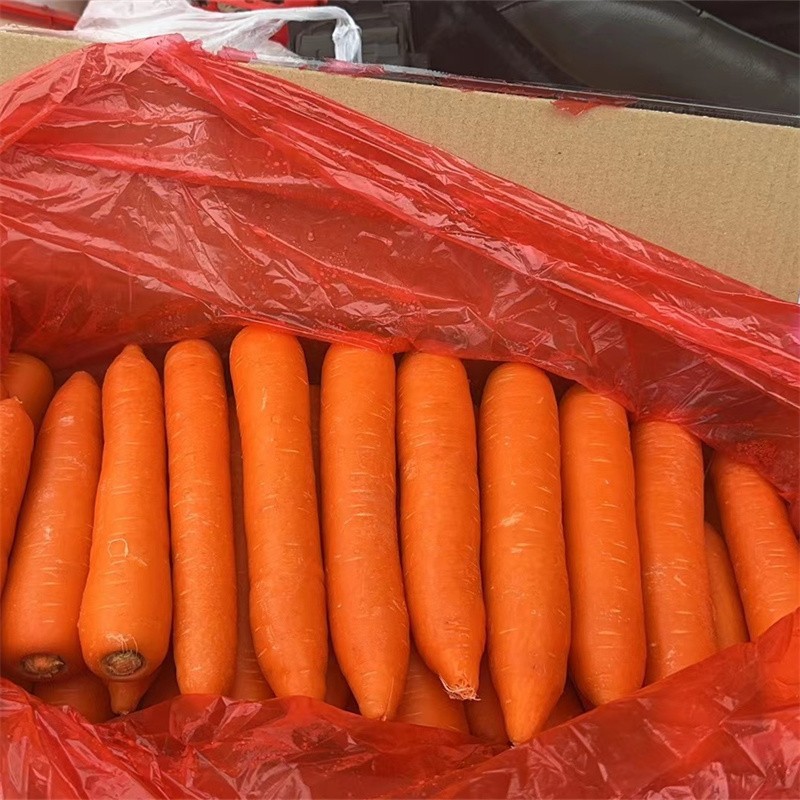

Our Fresh Carrot Offerings
As a fresh carrot supplier, we offer a variety of high - quality carrots to meet your needs. Whether you prefer to eat them raw, cook them in different ways, or use them in various recipes, our carrots are sure to be a great addition to your diet.
We have Size L 10kgs Carton Box Fresh Carrot, which is perfect for large - scale consumption or for businesses. Our Wholesale M Model Fresh Carrots are ideal for those looking for a mid - sized option in bulk. And for a more standard - sized package, we have Size M 10kgs/ctn Fresh Carrot.
Conclusion and Call to Action
In conclusion, the cooking method you choose for carrots can have a significant impact on their nutritional value. While raw carrots are a great source of water - soluble vitamins and fiber, cooking methods like steaming, roasting, and sautéing can enhance the bioavailability of fat - soluble vitamins and antioxidants. By understanding how different cooking techniques affect the nutrients in carrots, you can make informed decisions about how to prepare them to maximize their health benefits.
If you're interested in purchasing our fresh carrots for your home, restaurant, or business, we'd love to hear from you. Contact us to start a procurement discussion and discover how our high - quality carrots can meet your needs.
References
- Journal of Food Composition and Analysis, "Effect of cooking methods on the nutritional quality of vegetables"
- American Journal of Clinical Nutrition, "Bioavailability of carotenoids from fruits and vegetables"
- Food Chemistry, "Impact of thermal processing on the nutritional and sensory quality of carrots"
