


Potatoes are a staple in many diets around the world, known for their versatility and nutritional value. As a potato supplier, I've witnessed the growing interest in home gardening, especially when it comes to growing your own potatoes. In this blog, I'll share with you a comprehensive guide on how to grow potatoes at home, from choosing the right varieties to harvesting and storing your crop.
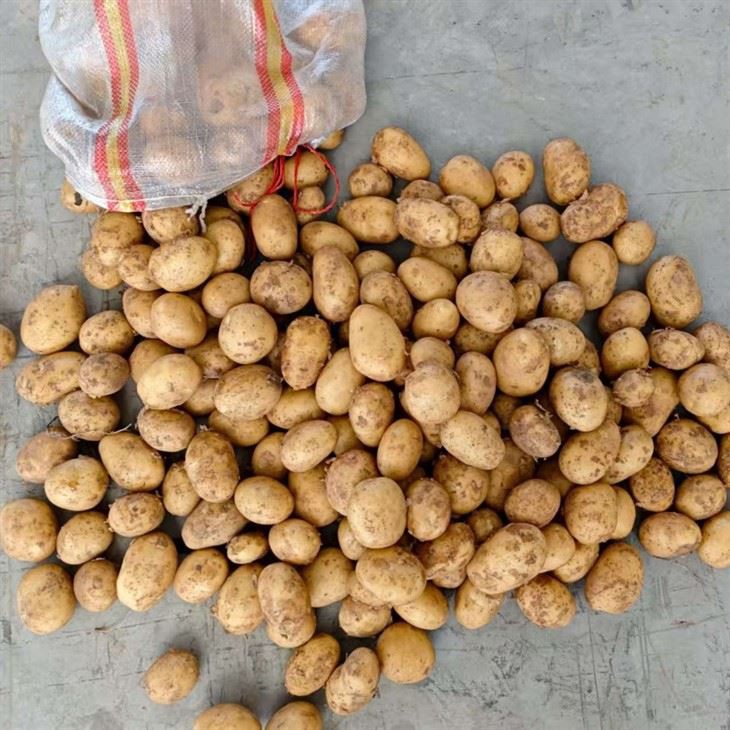
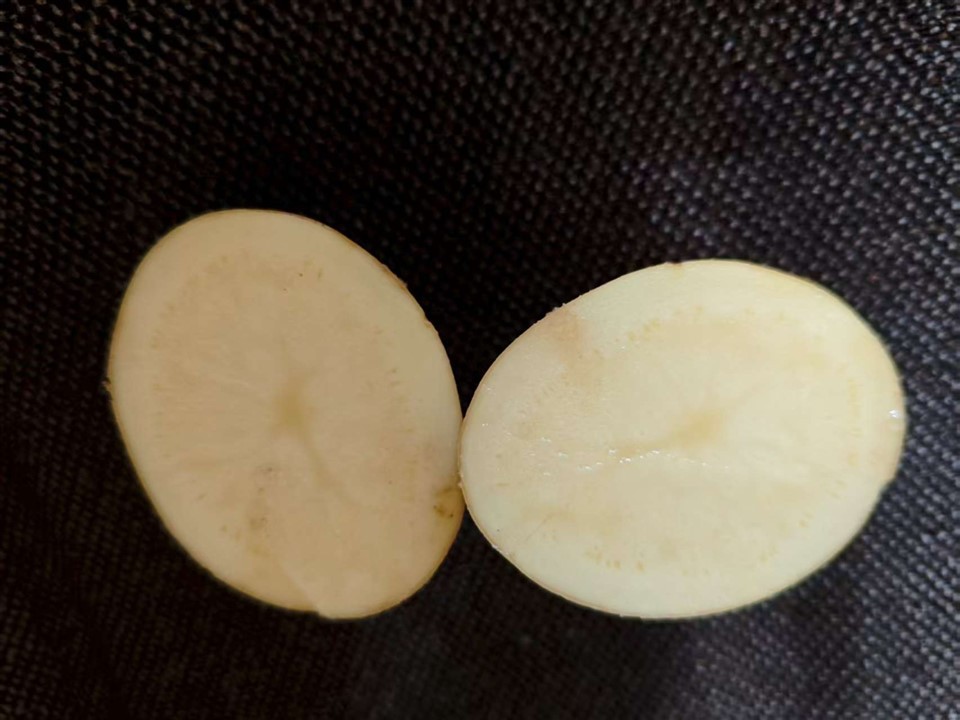
Choosing the Right Potato Varieties
The first step in growing potatoes at home is selecting the right variety. There are numerous types of potatoes, each with its own unique characteristics, flavors, and growing requirements. Some popular varieties for home gardening include:
- Red Pontiac: A classic red-skinned potato with a waxy texture, perfect for roasting, boiling, or making potato salads.
- Yukon Gold: Known for its buttery flavor and smooth, golden flesh, Yukon Gold potatoes are great for mashed potatoes, frying, or baking.
- Russet Burbank: A large, russet-skinned potato with a high starch content, making it ideal for baking, french fries, and potato chips.
Consider your climate, soil type, and personal taste preferences when choosing a potato variety. You can purchase seed potatoes from a local nursery, garden center, or online supplier like Fruit & Vegetable Potatoes Wholesale Cheap Price.
Preparing the Soil
Potatoes thrive in well-drained, loose soil with a pH between 5.0 and 6.0. Before planting, prepare the soil by removing any weeds, rocks, or debris. Loosen the soil to a depth of at least 12 inches using a garden fork or tiller. Incorporate organic matter, such as compost or well-rotted manure, to improve soil fertility and drainage.
Planting the Potatoes
Once the soil is prepared, it's time to plant the seed potatoes. Cut the seed potatoes into pieces, making sure each piece has at least one or two "eyes" (small buds). Allow the cut pieces to dry for a day or two to prevent rotting.
Dig a trench about 6 inches deep and 12 inches wide. Place the potato pieces in the trench, spacing them about 12 inches apart. Cover the potato pieces with 3 inches of soil. As the potato plants grow, gradually fill in the trench with soil, leaving a few inches of the plant exposed. This process, known as hilling, helps to prevent the potatoes from turning green and encourages the development of more tubers.
Watering and Fertilizing
Potatoes need consistent moisture throughout the growing season, especially during the flowering and tuber formation stages. Water the plants deeply once or twice a week, depending on the weather conditions. Avoid overwatering, as this can lead to root rot and other diseases.
Fertilize the potato plants every few weeks with a balanced fertilizer, such as a 10-10-10 or 5-10-10 formula. Follow the instructions on the fertilizer package for the appropriate application rate. Avoid using too much nitrogen, as this can result in excessive foliage growth at the expense of tuber development.
Pest and Disease Control
Potatoes are susceptible to a variety of pests and diseases, including aphids, Colorado potato beetles, late blight, and early blight. To prevent and control these problems, practice good garden hygiene by removing any diseased or infected plants immediately. Use organic pest control methods, such as handpicking insects or applying neem oil or insecticidal soap.
For disease control, choose disease-resistant potato varieties and rotate your crops each year to prevent the buildup of pathogens in the soil. If necessary, apply a fungicide according to the instructions on the label.
Harvesting the Potatoes
Potatoes are ready to harvest when the foliage begins to turn yellow and die back. This usually occurs about 10-12 weeks after planting, depending on the variety. To harvest the potatoes, gently dig around the base of the plant with a garden fork or shovel. Be careful not to damage the tubers.
Once the potatoes are harvested, allow them to dry in a cool, dark place for a few days to allow the skins to harden. Store the potatoes in a cool, dry, and dark place, such as a basement or root cellar. Avoid storing the potatoes near onions, as the gases emitted by onions can cause the potatoes to sprout.
Storing the Potatoes
Proper storage is essential to keep your potatoes fresh and prevent spoilage. As a potato supplier, I recommend storing potatoes at a temperature between 45°F and 50°F (7°C and 10°C) with a relative humidity of 85-90%. This helps to prevent sprouting, shriveling, and the development of mold.
You can store potatoes in a variety of containers, such as burlap sacks, cardboard boxes, or plastic bins. Make sure the containers have good ventilation to prevent the buildup of moisture. Avoid storing potatoes in the refrigerator, as the cold temperature can convert the starch in the potatoes to sugar, resulting in a sweet taste and a darker color when cooked.
Conclusion
Growing potatoes at home is a rewarding and enjoyable experience that allows you to enjoy fresh, nutritious potatoes right from your own garden. By following these tips and guidelines, you can successfully grow potatoes at home and harvest a bountiful crop.
If you're interested in purchasing high-quality potatoes for your home garden or business, please visit Tengzhou Cold Room Fresh Potato or Export Fresh Potatoes To Southeast Asia. We offer a wide range of potato varieties at competitive prices and are committed to providing our customers with the best possible service.
References
- Cornell University. (n.d.). Growing Potatoes in the Home Garden. Retrieved from https://blogs.cornell.edu/gardening/2014/04/28/growing-potatoes-in-the-home-garden/
- University of Minnesota Extension. (n.d.). Growing Potatoes. Retrieved from https://extension.umn.edu/vegetables/growing-potatoes
- Rodale Institute. (n.d.). How to Grow Potatoes. Retrieved from https://www.rodaleinstitute.org/regenerative-farming/growing-potatoes
- Organic Gardening. (n.d.). How to Grow Potatoes. Retrieved from https://www.organicgardening.com/learn-and-grow/how-to-grow-potatoes
