


Black garlic has emerged as a unique and increasingly popular ingredient in the culinary world. As a black garlic supplier, I've witnessed firsthand the growing curiosity about this distinctive product and how it compares to regular garlic in terms of taste. In this blog, I'll delve into the taste profiles of both black and regular garlic, exploring their differences and similarities, and why black garlic might be the next big thing in your kitchen.
The Basics of Regular Garlic
Regular garlic, Allium sativum, is a staple in kitchens around the world. It has a pungent, sharp flavor that can be quite intense, especially when raw. The characteristic taste of regular garlic comes from sulfur - containing compounds, such as allicin. When garlic is crushed or chopped, an enzyme called alliinase converts alliin into allicin, which is responsible for the strong, spicy flavor and the well - known health benefits of garlic.
When cooked, regular garlic mellowed. It takes on a sweeter, more savory note, and its sharpness is reduced. Roasted garlic, for example, becomes soft and buttery, with a rich, caramelized flavor that is a far cry from its raw state.
The Transformation of Black Garlic
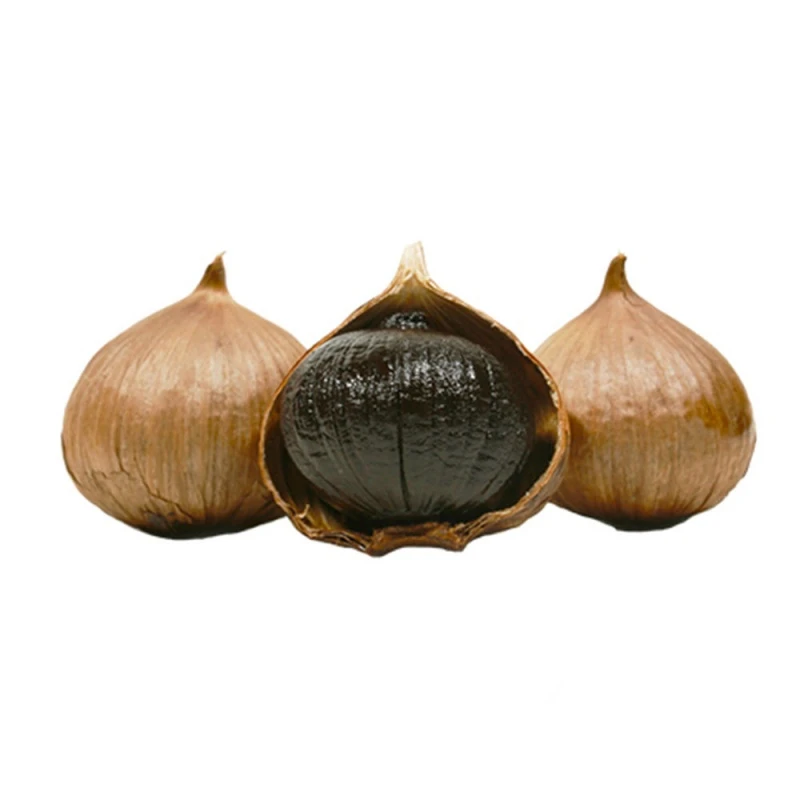
Black garlic is regular garlic that has undergone a fermentation process. The bulbs are heated and aged in a controlled environment for several weeks, typically at a temperature between 60 - 90 degrees Celsius and high humidity. This process transforms the garlic both physically and chemically.
The cloves turn black, become soft and sticky, and develop a completely different taste profile. The sulfur - containing compounds in regular garlic are transformed during fermentation. Allicin breaks down, and new compounds are formed, which contribute to the unique flavor of black garlic.
Taste Comparison
Sweetness
One of the most striking differences between black garlic and regular garlic is the level of sweetness. Black garlic has a pronounced sweet flavor, similar to molasses or balsamic vinegar. This sweetness is a result of the Maillard reaction that occurs during the fermentation process. The amino acids and reducing sugars in the garlic react, creating a complex array of flavors, including the sweet notes.
In contrast, regular garlic has very little natural sweetness, especially when raw. Even when cooked, the sweetness is not as prominent as in black garlic. The focus of regular garlic's flavor is more on its pungency and spiciness.
Umami
Both black and regular garlic are rich in umami, the fifth basic taste that is often described as savory. However, the umami in black garlic is more intense and complex. The long fermentation process enhances the umami flavors, making black garlic a great ingredient for adding depth to dishes.
Regular garlic also provides umami, but it is more straightforward. The umami in regular garlic is mainly due to the presence of glutamic acid. In black garlic, the fermentation process breaks down proteins into amino acids, increasing the umami content and giving it a more rounded, full - bodied flavor.

Pungency
Regular garlic is known for its pungency, which can be overpowering, especially when consumed raw. The allicin in regular garlic is responsible for this sharp, spicy taste. However, black garlic has a much milder pungency. The fermentation process reduces the amount of allicin, resulting in a more subtle and less aggressive flavor.
For those who find the pungency of regular garlic too strong, black garlic offers a more palatable alternative. It can be eaten on its own or added to dishes without overwhelming other flavors.
Texture
Texture also plays a role in the taste experience. Regular garlic cloves are firm and crunchy when raw, and they become soft when cooked. Black garlic, on the other hand, has a soft, almost jelly - like texture. This unique texture adds to the overall sensory experience and can be a pleasant surprise for those trying black garlic for the first time.
Culinary Uses
The different taste profiles of black and regular garlic make them suitable for different culinary applications.
Regular Garlic
Regular garlic is a versatile ingredient that can be used in a wide range of dishes. It is commonly used in savory dishes, such as pasta sauces, stir - fries, and soups. Its pungency can add a kick to a dish, and it pairs well with other strong - flavored ingredients like onions, tomatoes, and herbs.
Black Garlic
Black garlic's sweet and umami - rich flavor makes it a great addition to both sweet and savory dishes. It can be used in desserts, such as ice cream or chocolate truffles, to add a unique depth of flavor. In savory dishes, it can be used in marinades, dressings, or as a topping for pizzas and salads.
Why Choose Black Garlic?
As a black garlic supplier, I often get asked why someone should choose black garlic over regular garlic. Here are a few reasons:
- Unique Flavor: The sweet, umami - rich, and mild flavor of black garlic can add a new dimension to your dishes. It can be a great way to experiment with new flavors and create unique culinary experiences.
- Health Benefits: Like regular garlic, black garlic is rich in antioxidants. The fermentation process may even enhance some of its health - promoting properties.
- Versatility: Black garlic's versatility allows it to be used in a wider range of dishes, including desserts, which regular garlic is not typically used for.
Our Black Garlic Products
We offer a variety of black garlic products to suit different needs. Whether you're a home cook looking to experiment with a small amount or a restaurant owner in need of bulk supplies, we have you covered.
- 20kgs Carton Box Black Garlic: Ideal for large - scale users, such as restaurants or food manufacturers.
- 10kgs Carton Box Black Garlic: A great option for medium - sized businesses or those who want to stock up.
- 1kgs Black Garlic: Perfect for home cooks who want to try black garlic for the first time.
Contact Us for Purchase
If you're interested in purchasing our black garlic products, we'd love to hear from you. Whether you have questions about our products, pricing, or delivery options, feel free to reach out. We're committed to providing high - quality black garlic and excellent customer service.
References
- Block, E. (1985). The chemistry of garlic and onions. Scientific American, 252(3), 114 - 123.
- Kim, S. K., & Hyun, J. W. (2011). Fermented black garlic: A new functional food. Food Science and Biotechnology, 20(6), 1363 - 1367.
