


Diabetes is a chronic health condition that affects millions of people worldwide. It requires careful management of diet to maintain stable blood sugar levels. One common question among diabetics is whether they can include onions in their diet. As an onion supplier, I'm here to shed light on this topic and provide you with evidence - based information.
Nutritional Profile of Onions
Onions are a rich source of various nutrients. They contain vitamins such as vitamin C, which is an antioxidant that helps boost the immune system. Vitamin B6 in onions is essential for brain development and function. Onions also have minerals like potassium, which is important for heart health and maintaining proper fluid balance in the body.
Moreover, onions are low in calories. A medium - sized onion typically contains around 44 calories. This makes them a great addition to a diabetic diet, as they can add flavor and bulk to meals without significantly increasing calorie intake.
Impact on Blood Sugar
One of the primary concerns for diabetics is how a particular food will affect their blood sugar levels. Onions have a relatively low glycemic index (GI). The glycemic index is a measure of how quickly a food raises blood sugar levels. Foods with a low GI (55 or less) are digested and absorbed more slowly, causing a gradual rise in blood sugar. Onions usually have a GI in the range of 10 - 15, which is extremely low.
This slow - release of sugar into the bloodstream means that onions are unlikely to cause a sudden spike in blood sugar levels. In fact, some studies suggest that compounds in onions, such as flavonoids and sulfur - containing compounds, may have a beneficial effect on blood sugar regulation. These compounds can improve insulin sensitivity, which is crucial for diabetics as it helps the body use insulin more effectively to lower blood sugar.
Health Benefits for Diabetics
Beyond blood sugar control, onions offer several other health benefits for diabetics. They have anti - inflammatory properties. Chronic inflammation is often associated with diabetes and can lead to various complications. The antioxidants in onions, such as quercetin, can help reduce inflammation in the body.
Onions also have potential cholesterol - lowering effects. High cholesterol is a common issue among diabetics, and by reducing cholesterol levels, onions can contribute to better cardiovascular health. A healthy heart is especially important for diabetics, as they are at a higher risk of heart disease.
Different Types of Onions and Their Suitability
There are different types of onions available in the market, such as yellow onions, red onions, and white onions. Each type has a slightly different flavor profile, but they all share similar nutritional benefits.
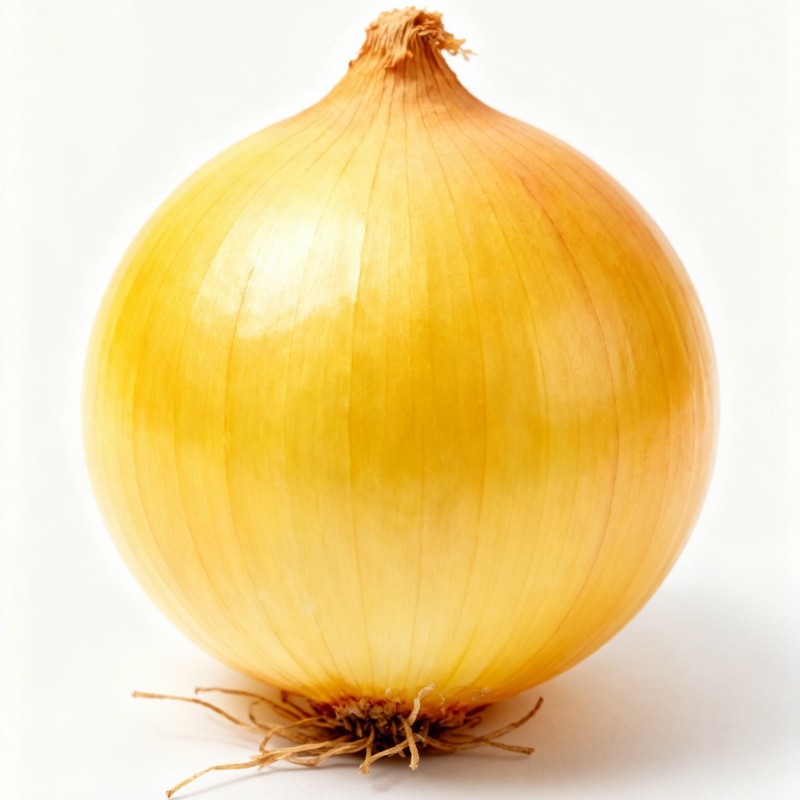
Yellow onions are the most commonly used type. They have a strong, pungent flavor and are great for cooking. If you're looking for 5 - 8cm Yellow Onion or 4 - 6cm Yellow Onion, they can be a great addition to your diabetic - friendly recipes.
Red onions, on the other hand, are milder in flavor and often used raw in salads. Their vibrant color also adds an aesthetic appeal to dishes. You can find 5 - 8cm Red Onion which are perfect for adding a fresh and crunchy element to your meals.
Incorporating Onions into a Diabetic Diet
There are numerous ways to include onions in a diabetic diet. You can start your day with a vegetable omelet made with onions. Sauté onions with other vegetables like spinach, bell peppers, and tomatoes for a nutritious and low - calorie breakfast.

For lunch or dinner, onions can be used in stir - fries. Combine them with lean proteins such as chicken, turkey, or tofu. You can also make a diabetic - friendly onion soup. Simply simmer onions in low - sodium broth with some herbs and spices for a warm and comforting meal.
Quality and Sourcing of Onions
As an onion supplier, I understand the importance of providing high - quality onions. We ensure that our onions are grown using sustainable farming practices. This not only benefits the environment but also results in onions that are free from harmful pesticides and chemicals.
Our onions are carefully selected and sorted to ensure that only the best ones reach our customers. Whether you need onions for personal use or for a large - scale food business, we can meet your requirements.
Conclusion
In conclusion, diabetics can definitely eat onions. Onions are a nutritious and low - glycemic food that can offer multiple health benefits, including blood sugar control, anti - inflammatory effects, and cholesterol reduction. With different types of onions available, there are plenty of options to suit your taste and cooking needs.
If you're interested in purchasing high - quality onions for your diabetic diet or for your business, we'd love to have a conversation with you. Contact us to discuss your requirements and explore how our onions can be a great addition to your meals.
References
- American Diabetes Association. "Carbohydrates and Diabetes."
- Harvard T.H. Chan School of Public Health. "The Nutrition Source - Onions."
- Journal of Agricultural and Food Chemistry. "Bioactive Compounds in Onions and Their Health Benefits."
