


As a seasoned fresh apple supplier, I've witnessed the transformative power of a glass of freshly squeezed apple juice. It's not just a beverage; it's a burst of health, a symphony of flavors, and a testament to nature's bounty. In this blog, I'll share with you the art of making fresh apple juice, from selecting the perfect apples to the final, refreshing sip.
Selecting the Right Apples
The journey of making fresh apple juice begins with choosing the right apples. Different apple varieties offer distinct flavors, colors, and levels of sweetness, which can significantly impact the taste and quality of the juice.
One of the most popular choices for apple juice is the new season fuji apple. These apples are known for their crisp texture, high sugar content, and a balanced sweet - tart flavor. Their juice is rich, full - bodied, and has a beautiful golden color.
Another excellent option is the new harvest fuji apple. Similar to the new season Fuji, the new harvest Fuji apples are at their prime freshness, offering a sweet and juicy profile that makes for a delicious juice.
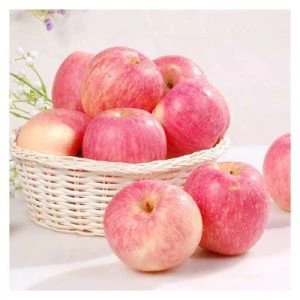
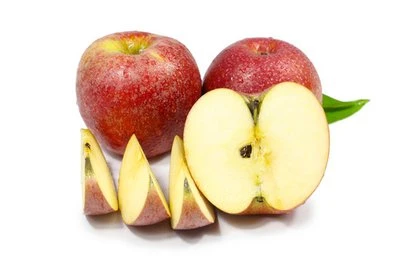
For those who prefer a more unique flavor, the organic qinguan apple is a great choice. These apples have a milder, more delicate flavor with a hint of floral notes. The juice from organic Qinguan apples is light, refreshing, and perfect for those who want a less sweet option.
When selecting apples, look for ones that are firm, free of bruises or blemishes, and have a vibrant color. The ripeness of the apples also matters. Slightly overripe apples tend to be sweeter and juicier, making them ideal for juice production.
Preparing the Apples
Once you've selected your apples, it's time to prepare them for juicing. Start by washing the apples thoroughly under running water to remove any dirt, pesticides, or wax. Even if you're using organic apples, it's still a good idea to give them a good rinse.
Next, core the apples. You can use a corer or a sharp knife to remove the core, which contains the seeds. The seeds are not only bitter but can also contain small amounts of cyanide, so it's important to remove them.
After coring, you can choose to peel the apples or leave the skin on. The skin contains a significant amount of nutrients, including antioxidants and fiber. However, if you prefer a smoother juice, you may want to peel the apples. Cut the apples into smaller pieces to make them easier to juice.
Juicing Methods
There are several methods you can use to extract juice from apples. The most common ones are using a juicer, a blender, or a manual press.
Using a Juicer
A juicer is the most efficient way to make apple juice. There are two main types of juicers: centrifugal juicers and masticating juicers.
Centrifugal juicers work by spinning the apples at high speeds, separating the juice from the pulp. They are fast and can process a large quantity of apples in a short time. However, they can generate a lot of heat, which may reduce the nutritional value of the juice.
Masticating juicers, on the other hand, work by slowly grinding the apples and squeezing out the juice. They operate at a lower speed, which helps to preserve the nutrients and enzymes in the juice. Masticating juicers also produce less foam and yield more juice compared to centrifugal juicers.
To use a juicer, simply feed the apple pieces into the chute and let the machine do its work. The juice will be collected in a container, while the pulp will be ejected into a separate compartment.
Using a Blender
If you don't have a juicer, you can use a blender to make apple juice. Place the apple pieces in the blender and add a small amount of water. Blend the apples until they are pureed. Then, strain the puree through a fine - mesh sieve or cheesecloth to separate the juice from the pulp. This method may take a bit more time and effort, but it can still produce a delicious and nutritious juice.
Using a Manual Press
A manual press is a traditional way to extract juice from apples. It involves placing the apple pulp in a cloth or bag and using a press to squeeze out the juice. This method is labor - intensive but can produce high - quality juice with a rich flavor.
Enhancing the Flavor
Once you've extracted the juice, you can enhance its flavor by adding other ingredients. Some popular additions include lemon juice, which adds a fresh, citrusy flavor and helps to prevent the juice from oxidizing; ginger, which adds a spicy kick; and honey, which sweetens the juice naturally.
You can also experiment with adding other fruits or vegetables to the juice. For example, adding a carrot or two can add a bit of sweetness and extra nutrients. A handful of berries can also add a pop of color and a boost of antioxidants.
Storing the Juice
Freshly squeezed apple juice is best consumed immediately to enjoy its full flavor and nutritional benefits. However, if you have some leftover juice, you can store it in the refrigerator for up to 24 hours. To prevent oxidation and preserve the flavor, store the juice in an airtight container.
If you want to store the juice for a longer period, you can freeze it. Pour the juice into ice cube trays or freezer - safe containers and place them in the freezer. Frozen apple juice can last for up to 6 months.
Conclusion
Making fresh apple juice is a rewarding and enjoyable process. By selecting the right apples, preparing them properly, and using the right juicing method, you can create a delicious and nutritious beverage that will delight your taste buds.
If you're interested in sourcing high - quality fresh apples for your juice production or any other culinary needs, I'd be more than happy to discuss your requirements. Whether you're a small - scale juice maker or a large - scale food manufacturer, we have the expertise and resources to meet your needs. Contact us to start a conversation about how we can work together to bring the best fresh apples to your business.
References
- "The Apple Book: A Guide to Apple Varieties, Their History, and Uses" by Tom Burford
- "Juicing for Beginners: The Ultimate Guide to Making Fresh, Nutritious Juice at Home" by Jane Smith
