


As a seasoned crimson grape supplier, I've witnessed firsthand the intricate dance between sunlight and the growth of these exquisite fruits. The question of whether crimson grapes need a lot of sunlight to grow is not only crucial for growers but also for consumers who appreciate the sweet, juicy goodness of these grapes. In this blog post, I'll delve into the science behind the sunlight requirements of crimson grapes, sharing insights based on my years of experience in the industry.

The Role of Sunlight in Grape Growth
Sunlight is a fundamental factor in the growth and development of all plants, and crimson grapes are no exception. Through the process of photosynthesis, plants convert sunlight into energy, which is used to produce sugars, starches, and other essential compounds. In the case of crimson grapes, sunlight plays a crucial role in several key aspects of their growth:
Sugar Production
One of the primary functions of sunlight in grape growth is the production of sugars. As the grapes absorb sunlight, they convert carbon dioxide and water into glucose, a simple sugar that provides energy for the plant. The amount of sunlight the grapes receive directly affects the sugar content of the fruit. Grapes that receive ample sunlight tend to have higher sugar levels, resulting in a sweeter and more flavorful taste.
Color Development
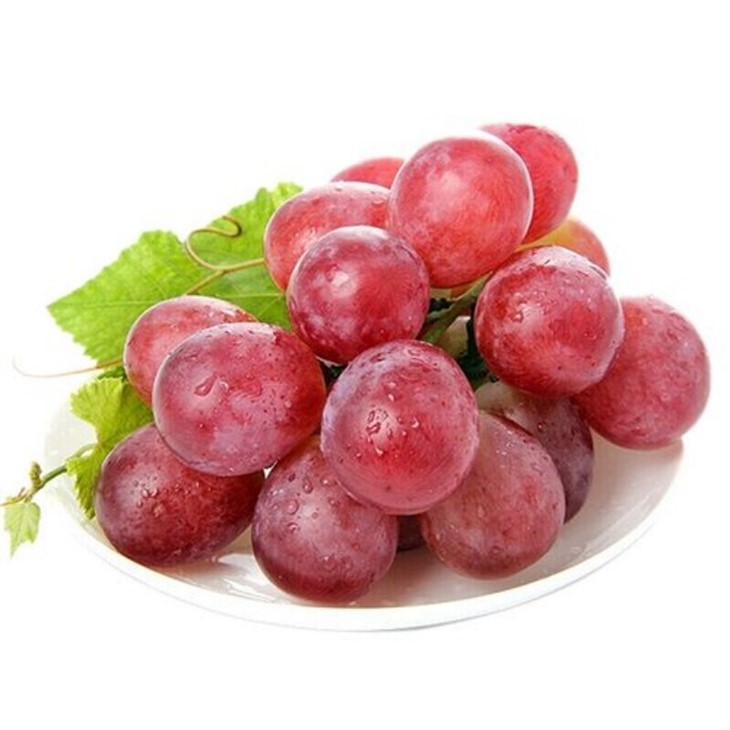
Sunlight also plays a significant role in the color development of crimson grapes. The deep red color of these grapes is due to the presence of anthocyanins, a group of pigments that are synthesized in response to sunlight. When the grapes are exposed to sunlight, the anthocyanin production increases, resulting in a more vibrant and intense color. This not only enhances the visual appeal of the grapes but also indicates a higher concentration of antioxidants, which are beneficial for human health.
Ripening Process
Sunlight is essential for the ripening process of crimson grapes. As the grapes receive sunlight, they undergo a series of biochemical changes that lead to the development of flavor, aroma, and texture. The warmth of the sun helps to break down the acids in the grapes, making them sweeter and more palatable. Additionally, sunlight stimulates the production of enzymes that are involved in the ripening process, ensuring that the grapes reach their optimal flavor and quality.
How Much Sunlight Do Crimson Grapes Need?
While sunlight is crucial for the growth and development of crimson grapes, it's important to note that too much sunlight can also have negative effects. Excessive sunlight can cause the grapes to overheat, leading to sunburn and other damage. Additionally, prolonged exposure to sunlight can cause the grapes to lose moisture, resulting in a dry and shriveled appearance.
So, how much sunlight do crimson grapes need? The ideal amount of sunlight for crimson grapes depends on several factors, including the climate, soil conditions, and grape variety. In general, crimson grapes require at least 6-8 hours of direct sunlight per day during the growing season. However, in regions with hot and sunny climates, it may be necessary to provide some shade to protect the grapes from excessive heat and sunlight.
Managing Sunlight for Optimal Grape Growth
As a crimson grape supplier, I understand the importance of managing sunlight to ensure optimal grape growth and quality. Here are some tips for managing sunlight in your vineyard:
Pruning
Pruning is an essential technique for managing sunlight in the vineyard. By removing excess foliage and branches, you can increase the amount of sunlight that reaches the grapes. Pruning also helps to improve air circulation, which reduces the risk of fungal diseases.
Trellising
Trellising is another important technique for managing sunlight in the vineyard. By training the grapevines to grow on a trellis system, you can control the amount of sunlight that reaches the grapes. Trellising also helps to improve the overall structure of the vineyard, making it easier to manage and harvest the grapes.
Shade Cloth
In regions with hot and sunny climates, it may be necessary to use shade cloth to protect the grapes from excessive heat and sunlight. Shade cloth can be used to cover the grapevines, reducing the amount of sunlight that reaches the grapes. This helps to prevent sunburn and other damage, while also maintaining the quality and flavor of the grapes.
Our Crimson Grape Offerings
At our company, we take pride in offering high-quality crimson grapes that are grown with care and attention to detail. Our grapes are sourced from vineyards that are located in regions with optimal sunlight and growing conditions. We use the latest techniques and technologies to ensure that our grapes are of the highest quality, with a sweet and juicy flavor that is sure to please.
We offer a variety of crimson grape products, including 24mm Seedless Crimson Grape, crimson red grape, and red crimson grape. Our grapes are available in a range of sizes and packaging options, making them suitable for a variety of applications, including fresh consumption, juice production, and wine making.
Contact Us for Procurement
If you're interested in purchasing our crimson grapes, we'd love to hear from you. Whether you're a retailer, distributor, or food service provider, we can provide you with the high-quality grapes you need at competitive prices. To learn more about our products and services, please contact us today. We look forward to working with you!
References
- Jackson, D. I. (2008). Wine Science: Principles and Applications. Academic Press.
- Robinson, J. (2006). The Oxford Companion to Wine. Oxford University Press.
- Smart, R. E., & Robinson, M. (1991). Sunlight and temperature effects on berry growth and composition of Vitis vinifera cv. Shiraz. American Journal of Enology and Viticulture, 42(3), 202-210.
