


Magnesium is an essential mineral that plays a crucial role in numerous bodily functions, including muscle and nerve function, energy production, and maintaining a healthy immune system. As a green apple supplier, I often get asked about the nutritional value of our green apples, especially in terms of their magnesium content. In this blog post, I'll explore whether green apples are a good source of magnesium and provide some insights into the overall health benefits of including these delicious fruits in your diet.
Magnesium Content in Green Apples
Green apples, like their red counterparts, are a nutritious and refreshing fruit. They are rich in vitamins, minerals, antioxidants, and dietary fiber. When it comes to magnesium, green apples do contain this important mineral, but the amount is relatively modest.
On average, a medium-sized green apple (about 182 grams) contains approximately 9 milligrams of magnesium. This accounts for about 2% of the recommended daily intake (RDI) for adults, which is 400-420 milligrams for men and 310-320 milligrams for women [1]. While this may not seem like a significant amount, every little bit helps, and green apples can contribute to your overall magnesium intake when consumed as part of a balanced diet.
Other Nutritional Benefits of Green Apples
Although the magnesium content in green apples may not be extremely high, they offer a wide range of other nutritional benefits that make them a valuable addition to your diet. Here are some key nutrients found in green apples and their health benefits:
- Vitamin C: Green apples are a good source of vitamin C, an antioxidant that helps protect your cells from damage caused by free radicals. Vitamin C also plays a role in collagen synthesis, immune function, and iron absorption [2].
- Fiber: Green apples are high in dietary fiber, particularly soluble fiber, which can help lower cholesterol levels, regulate blood sugar levels, and promote healthy digestion. Fiber also helps you feel full and satisfied, which can aid in weight management [3].
- Antioxidants: Green apples contain various antioxidants, including flavonoids and polyphenols, which have been shown to have anti-inflammatory, anti-cancer, and heart-protective effects. These antioxidants may help reduce the risk of chronic diseases such as heart disease, diabetes, and certain types of cancer [4].
- Pectin: Pectin is a type of soluble fiber found in green apples that has been shown to have prebiotic properties. Prebiotics are substances that promote the growth and activity of beneficial bacteria in the gut, which can improve gut health and overall well-being [5].
Incorporating Green Apples into Your Diet
To reap the nutritional benefits of green apples, it's important to incorporate them into your diet on a regular basis. Here are some easy and delicious ways to enjoy green apples:
- Eat them fresh: The simplest way to enjoy green apples is to wash them thoroughly and eat them whole. You can also slice them and add them to salads, sandwiches, or yogurt for a refreshing and nutritious boost.
- Make apple sauce: Apple sauce is a classic and versatile way to use green apples. You can make your own apple sauce by cooking sliced apples with a little water, sugar, and cinnamon until they are soft and mushy. Then, puree the mixture until smooth and enjoy it as a snack or a topping for pancakes, waffles, or oatmeal.
- Bake them: Green apples can be used in a variety of baked goods, such as pies, tarts, muffins, and cakes. They add a sweet and tart flavor to these treats and can also help keep them moist and tender.
- Juice them: If you prefer to drink your fruits, you can juice green apples to make a refreshing and nutritious beverage. You can also mix apple juice with other fruits and vegetables to create your own custom blends.
Comparing Green Apples to Other Sources of Magnesium
While green apples do contain some magnesium, there are other foods that are much richer sources of this mineral. Here are some examples of foods that are high in magnesium:
- Nuts and seeds: Almonds, cashews, peanuts, pumpkin seeds, and sunflower seeds are all excellent sources of magnesium. A quarter-cup of almonds, for example, contains about 80 milligrams of magnesium, which is about 20% of the RDI for adults [6].
- Legumes: Beans, lentils, chickpeas, and soybeans are all good sources of magnesium. A cup of cooked black beans, for example, contains about 120 milligrams of magnesium, which is about 30% of the RDI for adults [7].
- Whole grains: Brown rice, quinoa, oats, and whole wheat bread are all good sources of magnesium. A cup of cooked quinoa, for example, contains about 118 milligrams of magnesium, which is about 30% of the RDI for adults [8].
- Leafy green vegetables: Spinach, kale, Swiss chard, and collard greens are all excellent sources of magnesium. A cup of cooked spinach, for example, contains about 157 milligrams of magnesium, which is about 40% of the RDI for adults [9].
- Fish: Salmon, mackerel, tuna, and halibut are all good sources of magnesium. A 3-ounce serving of cooked salmon, for example, contains about 26 milligrams of magnesium, which is about 7% of the RDI for adults [10].
Conclusion
In conclusion, while green apples are not a particularly rich source of magnesium, they do contain this important mineral and offer a wide range of other nutritional benefits. Incorporating green apples into your diet on a regular basis can help you meet your daily magnesium needs and improve your overall health and well-being.
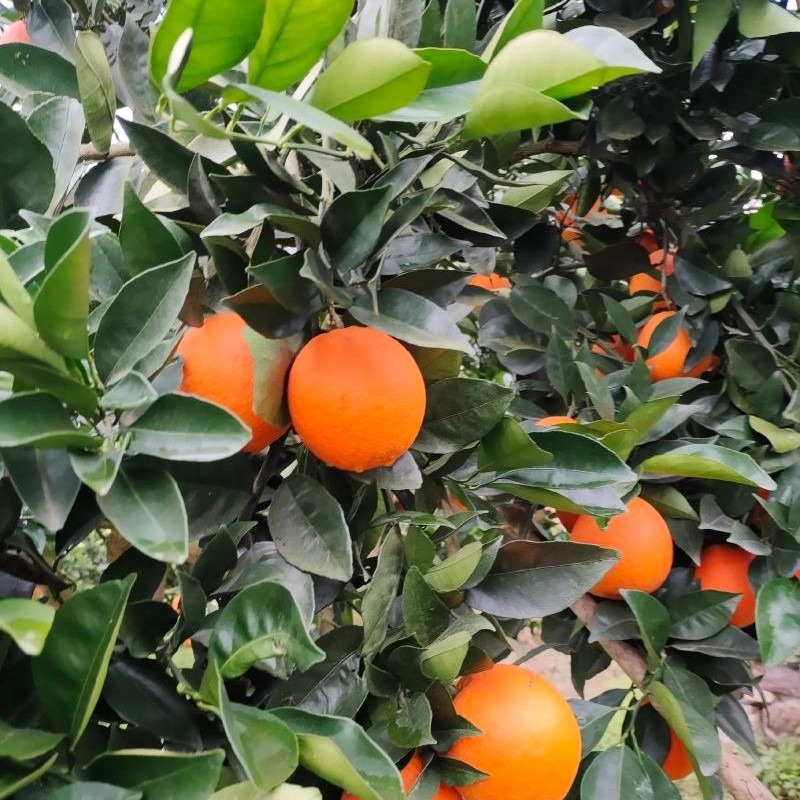
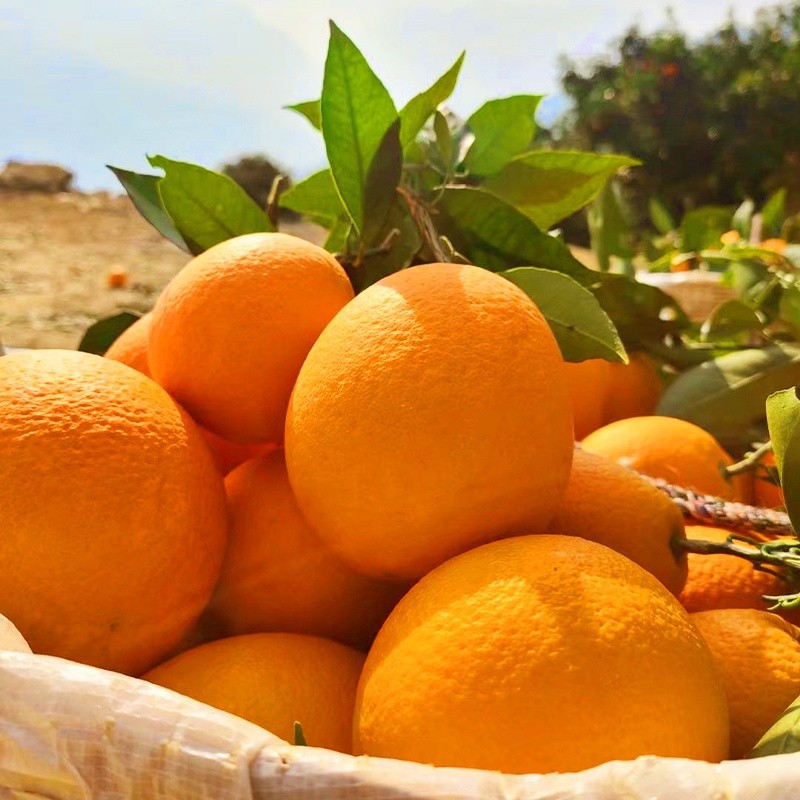
If you're looking for other magnesium-rich foods, consider adding nuts, seeds, legumes, whole grains, leafy green vegetables, and fish to your diet. And if you're interested in purchasing high-quality green apples, I invite you to explore our selection of Class 1 New Hall Navel Orange and Size 72-80 Fresh Newhall Navel Orange. We also offer new season fresh garlic for those who want to add some extra flavor and nutrition to their meals.
If you have any questions about our products or would like to discuss a potential purchase, please feel free to reach out. We're here to help you make the best choices for your health and your business.
References
- National Institutes of Health. Office of Dietary Supplements. Magnesium Fact Sheet for Health Professionals. https://ods.od.nih.gov/factsheets/Magnesium-HealthProfessional/
- National Institutes of Health. Office of Dietary Supplements. Vitamin C Fact Sheet for Health Professionals. https://ods.od.nih.gov/factsheets/VitaminC-HealthProfessional/
- Harvard T.H. Chan School of Public Health. The Nutrition Source. Fiber. https://www.hsph.harvard.edu/nutritionsource/carbohydrates/fiber/
- American Heart Association. Antioxidants and Heart Disease. https://www.heart.org/en/health-topics/consumer-healthcare/what-is-cardiovascular-disease/antioxidants-and-heart-disease
- National Center for Complementary and Integrative Health. Probiotics and Prebiotics: What You Should Know. https://nccih.nih.gov/health/probiotics-what-you-should-know
- United States Department of Agriculture. FoodData Central. Almonds, dry roasted, without salt added. https://fdc.nal.usda.gov/fdc-app.html#/food-details/168225/nutrients
- United States Department of Agriculture. FoodData Central. Black beans, mature seeds, cooked, boiled, without salt. https://fdc.nal.usda.gov/fdc-app.html#/food-details/171324/nutrients
- United States Department of Agriculture. FoodData Central. Quinoa, cooked. https://fdc.nal.usda.gov/fdc-app.html#/food-details/169768/nutrients
- United States Department of Agriculture. FoodData Central. Spinach, cooked, boiled, drained, without salt. https://fdc.nal.usda.gov/fdc-app.html#/food-details/168633/nutrients
- United States Department of Agriculture. FoodData Central. Salmon, Atlantic, farmed, cooked, dry heat. https://fdc.nal.usda.gov/fdc-app.html#/food-details/171485/nutrients
