


As a dedicated fresh apple supplier, I've spent countless hours immersed in the world of apples, from orchard to table. The taste of fresh apples is a symphony of flavors, textures, and aromas that varies depending on the variety, growing conditions, and even the time of harvest. In this blog post, I'll take you on a journey through the taste profiles of some of the most popular apple varieties we offer, sharing insights into what makes each one unique and why they're beloved by consumers around the world.
The Basics of Apple Taste
Before we dive into the specific taste profiles of different apple varieties, it's important to understand the basic components that contribute to the overall taste of an apple. These include sweetness, acidity, texture, and aroma.

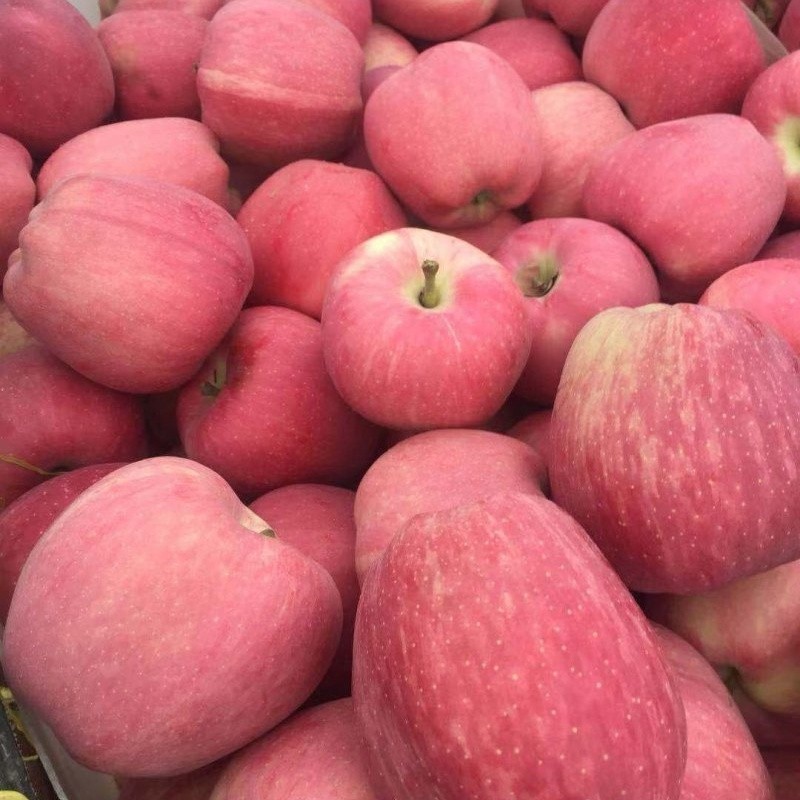
- Sweetness: Sweetness is one of the most important factors in determining the taste of an apple. It's measured by the amount of natural sugars present in the fruit, which can vary depending on the variety, growing conditions, and ripeness. Apples with higher sugar content tend to be sweeter and more flavorful, while those with lower sugar content may be more tart or acidic.
- Acidity: Acidity is another key component of apple taste. It provides a refreshing tartness that balances out the sweetness and adds complexity to the flavor. Apples with higher acidity levels tend to be more crisp and refreshing, while those with lower acidity levels may be softer and more mellow.
- Texture: Texture is an important aspect of apple taste that can greatly impact the overall eating experience. Apples can range from crisp and juicy to soft and mealy, depending on the variety and ripeness. Crisp apples are often preferred for eating fresh, while softer apples may be better suited for cooking or baking.
- Aroma: Aroma is the final component of apple taste that can enhance the overall flavor experience. Apples have a unique aroma that can range from sweet and floral to spicy and earthy, depending on the variety. The aroma of an apple can also be influenced by the growing conditions, such as the soil type, climate, and amount of sunlight.
Taste Profiles of Popular Apple Varieties
Now that we've covered the basics of apple taste, let's take a closer look at the taste profiles of some of the most popular apple varieties we offer.
Organic Sweet Fresh Red FUJI Apples
Organic Sweet Fresh Red FUJI Apples are known for their sweet, crisp, and juicy flavor. They have a high sugar content and a low acidity level, which gives them a balanced and refreshing taste. The texture of Fuji apples is firm and crunchy, making them perfect for eating fresh or using in salads. They also have a sweet and floral aroma that adds to their overall appeal.
Class 1 Gala Apple
Class 1 Gala Apple are a popular choice for their sweet and mild flavor. They have a medium sugar content and a low acidity level, which gives them a delicate and refreshing taste. The texture of Gala apples is crisp and juicy, making them perfect for eating fresh or using in snacks. They also have a sweet and fruity aroma that makes them a favorite among children and adults alike.
10kgs Red Star Apple
10kgs Red Star Apple are known for their tart and tangy flavor. They have a low sugar content and a high acidity level, which gives them a sharp and refreshing taste. The texture of Red Star apples is firm and crunchy, making them perfect for cooking or baking. They also have a spicy and earthy aroma that adds to their complexity and depth of flavor.
Factors That Affect Apple Taste
In addition to the variety, there are several other factors that can affect the taste of fresh apples. These include:
- Growing Conditions: The growing conditions, such as the soil type, climate, and amount of sunlight, can have a significant impact on the taste of apples. Apples grown in regions with a warm and sunny climate tend to be sweeter and more flavorful, while those grown in cooler regions may be more tart or acidic.
- Harvest Time: The harvest time can also affect the taste of apples. Apples that are harvested too early may be underripe and have a tart or acidic taste, while those that are harvested too late may be overripe and have a soft and mealy texture. It's important to harvest apples at the right time to ensure optimal flavor and texture.
- Storage Conditions: The storage conditions can also affect the taste of apples. Apples should be stored in a cool, dry place to prevent them from spoiling or losing their flavor. They should also be stored away from other fruits and vegetables, as they can release ethylene gas, which can cause apples to ripen and spoil more quickly.
Conclusion
The taste of fresh apples is a complex and multi-faceted experience that is influenced by a variety of factors, including the variety, growing conditions, harvest time, and storage conditions. As a fresh apple supplier, we take great care to ensure that our apples are of the highest quality and have the best possible taste. Whether you're looking for a sweet and juicy apple for snacking or a tart and tangy apple for cooking, we have a variety of options to choose from.
If you're interested in learning more about our fresh apples or would like to place an order, please don't hesitate to contact us. We'd be happy to answer any questions you may have and help you find the perfect apples for your needs.
References
- "The Science of Apple Taste." University of California, Davis.
- "Apple Varieties and Their Flavor Profiles." Cornell University.
- "Factors Affecting the Taste of Apples." Washington State University.
