


Hey there! I'm a Gala apple supplier, and I've been in this business for quite some time. One of the most common questions I get from growers and fellow apple enthusiasts is, "What is the best soil for Gala apple trees?" Well, I'm here to share my knowledge and experience on this topic.
First off, let's talk about why soil matters so much for Gala apple trees. The soil is like the foundation of a house; it provides the nutrients, water, and support that the trees need to grow and thrive. If the soil isn't right, the trees may not produce as many apples, or the apples may not be as high - quality.
Ideal Soil Characteristics
1. Texture
Gala apple trees do best in loamy soil. Loam is a mixture of sand, silt, and clay. Sand allows for good drainage, so the roots don't get waterlogged. Silt holds moisture and nutrients, and clay provides some structure to the soil. A good loamy soil has about 40% sand, 40% silt, and 20% clay. This balance ensures that the soil can hold enough water and nutrients while still allowing excess water to drain away.
2. pH Level
The ideal pH range for Gala apple trees is between 6.0 and 7.0. This slightly acidic to neutral pH allows the trees to absorb nutrients effectively. If the soil is too acidic (pH below 6.0), the trees may have trouble taking up essential nutrients like calcium, magnesium, and phosphorus. On the other hand, if the soil is too alkaline (pH above 7.0), iron and manganese may become less available to the trees. You can test the soil pH using a soil testing kit, which you can buy at most garden centers.
3. Organic Matter
Adding organic matter to the soil is crucial for Gala apple trees. Organic matter, such as compost, manure, or leaf mold, improves the soil structure, increases water - holding capacity, and provides a slow - release source of nutrients. It also encourages beneficial soil organisms, like earthworms and bacteria, which help break down organic matter and make nutrients more available to the trees. You can add organic matter to the soil before planting the trees and then continue to add it as a top - dressing each year.
4. Drainage
Good drainage is essential for Gala apple trees. Their roots need oxygen to function properly, and waterlogged soil can lead to root rot and other diseases. If your soil has poor drainage, you can improve it by adding sand or gravel to the soil or by creating raised beds. Raised beds allow excess water to drain away more easily, keeping the roots healthy.
Soil Preparation
Before planting Gala apple trees, it's important to prepare the soil properly. Here's a step - by - step guide:
1. Test the Soil
As I mentioned earlier, test the soil pH and nutrient levels. This will give you an idea of what amendments you need to make. If the pH is too low, you can add lime to raise it. If it's too high, you can add sulfur to lower it.
2. Clear the Area
Remove any weeds, rocks, or debris from the planting area. This will give the trees a clean start and prevent competition for nutrients and water.
3. Till the Soil
Use a tiller or a garden fork to loosen the soil to a depth of at least 12 inches. This will help the roots penetrate the soil more easily.
4. Add Organic Matter
Mix in a generous amount of compost or well - rotted manure. Aim for about 2 - 3 inches of organic matter over the planting area and then till it in.
5. Create a Planting Hole
Dig a hole that is twice as wide and just as deep as the root ball of the tree. Place the tree in the hole, making sure that the graft union (the swollen area near the base of the trunk) is above the soil level.
6. Backfill the Hole
Fill the hole with the soil you removed, gently tamping it down around the roots. Water the tree thoroughly to settle the soil.
Maintaining the Soil
Once the Gala apple trees are planted, it's important to maintain the soil to keep the trees healthy. Here are some tips:
1. Mulching
Apply a layer of mulch, such as wood chips or straw, around the base of the trees. Mulch helps retain moisture, suppress weeds, and regulate soil temperature. Keep the mulch a few inches away from the trunk to prevent rot.
2. Fertilizing
Gala apple trees need regular fertilization to produce a good crop. Use a balanced fertilizer, such as a 10 - 10 - 10 or 12 - 12 - 12 formula, in the spring and again in the fall. Follow the instructions on the fertilizer package for the correct application rate.
3. Watering
Water the trees deeply and regularly, especially during dry periods. The soil should be kept evenly moist but not waterlogged. A good rule of thumb is to water the trees once a week, giving them about 1 - 2 inches of water each time.
4. Soil Testing
Test the soil every few years to monitor the nutrient levels and pH. This will help you adjust your fertilization and soil amendment practices as needed.
Why Choose Our Gala Apples
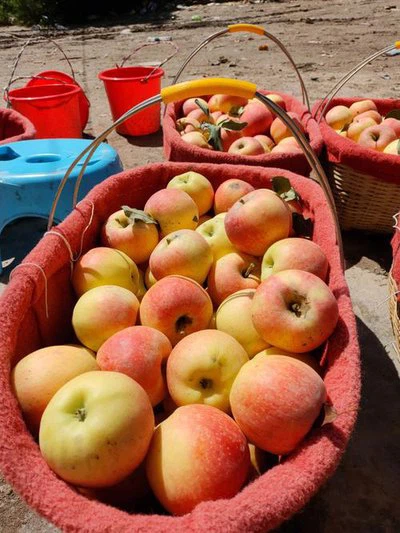
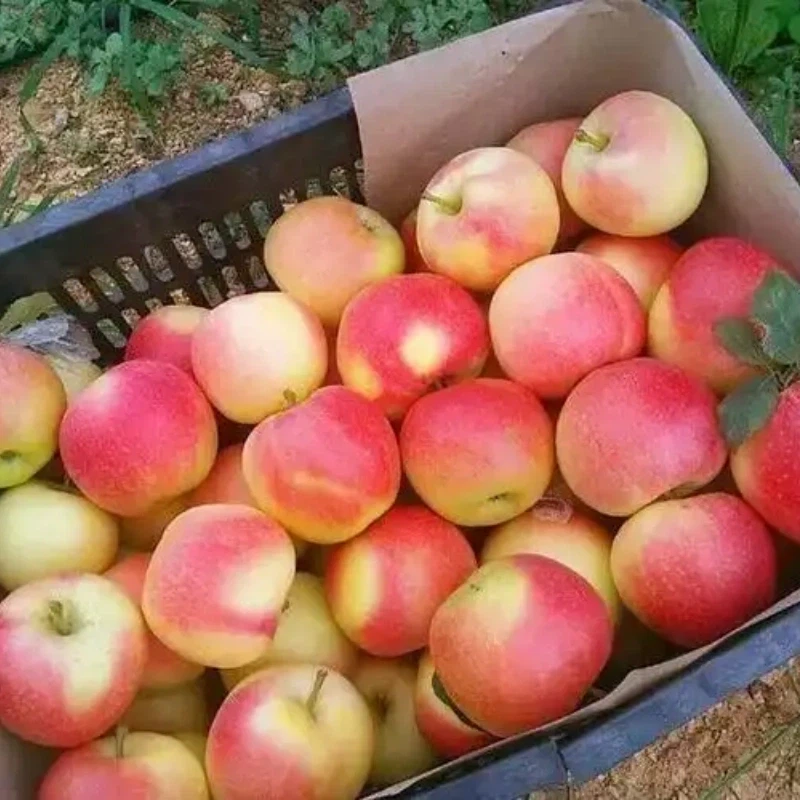
As a Gala apple supplier, I'm proud to offer high - quality Gala apples. Our apples are grown in the perfect soil conditions, which gives them a sweet and juicy flavor. You can check out our Sweet Red Gala Apple for a taste of our delicious produce. We also have Chinese Paper Bagged Gala Apple Export options, which are known for their excellent quality. And if you're looking for a larger quantity, our 10kgs Gala Apple is a great choice.
If you're interested in purchasing our Gala apples, whether you're a retailer, a wholesaler, or just an apple lover, don't hesitate to reach out for a procurement negotiation. We're always happy to discuss your needs and provide the best deals.
References
- "The Apple Grower: A Guide for the Organic Orchardist" by Michael Phillips.
- "Soil Science Simplified" by Jay A. Golterman.
