


Making fresh grape juice at home is a delightful and rewarding experience. As a fresh grape supplier, I'm excited to share with you the process of creating this delicious and healthy beverage right in your own kitchen. Not only is homemade grape juice free from the additives and preservatives often found in store - bought versions, but it also allows you to enjoy the pure, natural flavor of the grapes.
Selecting the Right Grapes
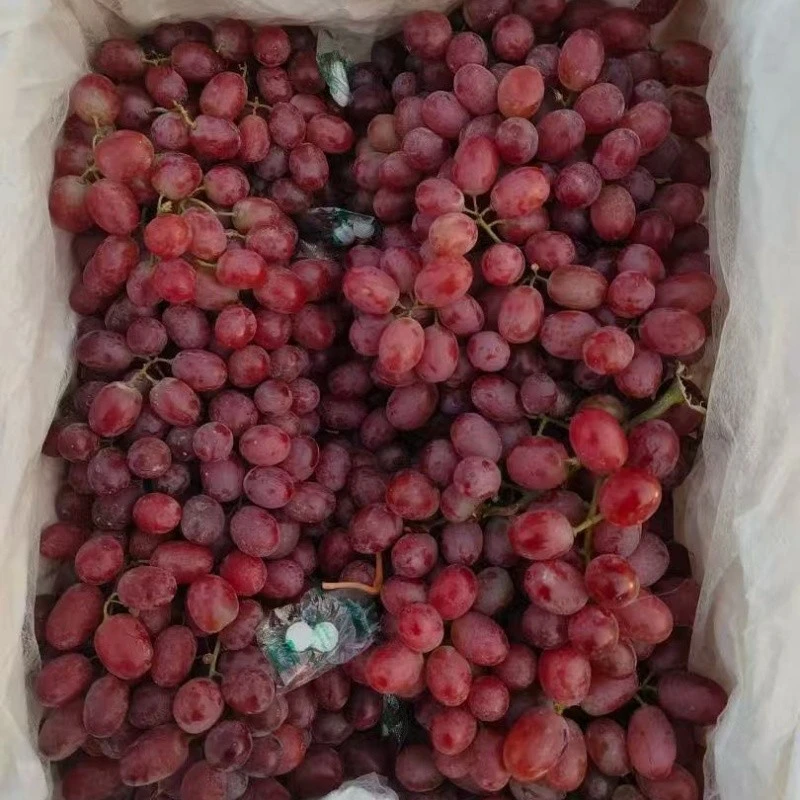
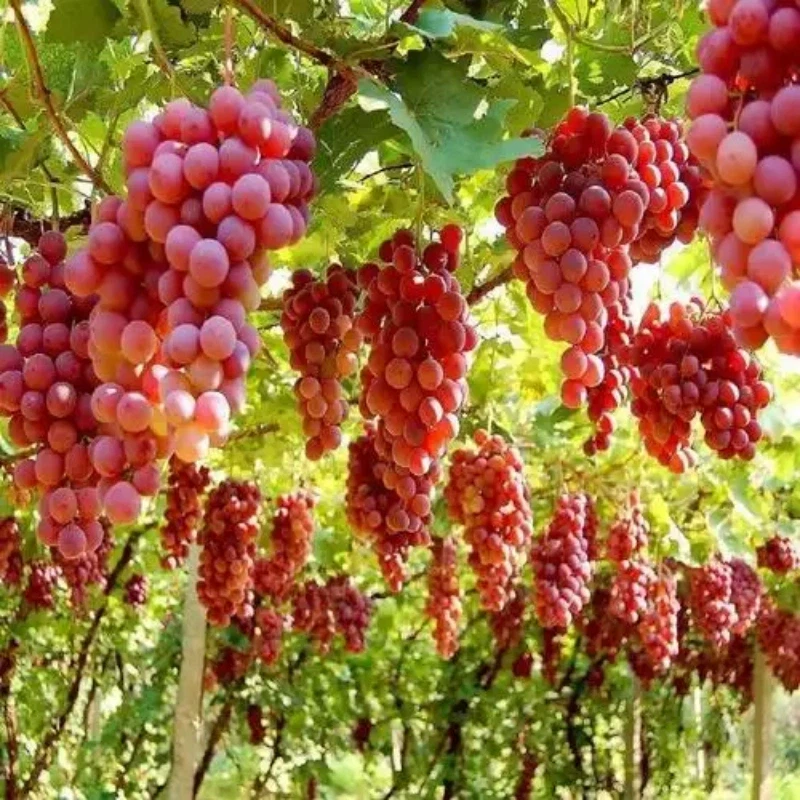
The first step in making fresh grape juice is choosing the right grapes. Different grape varieties offer distinct flavors and characteristics. For instance, the 24mm Seedless Crimson Grape is known for its sweet and juicy taste. These grapes are large, seedless, and have a beautiful crimson color, which makes them perfect for juice. Their high sugar content results in a rich and flavorful juice.
Another great option is the Green Red Global Grapes Fresh Sweet Juicy Fruits Sunshine Dubai Market. These grapes combine the sweetness of red grapes with the crispness of green grapes. They are full of natural juices and have a well - balanced flavor profile, which translates into a refreshing and delicious juice.
If you're looking for high - quality grapes for exporting or just for making top - notch juice at home, the Super Quality Fresh Grape Fresh Crimson Fruits for Exporting are an excellent choice. These grapes are carefully selected and harvested at the peak of ripeness to ensure the best flavor and quality.
When selecting grapes, look for ones that are firm, plump, and free from mold or damage. The color should be vibrant, indicating that the grapes are ripe. Avoid grapes that are shriveled or have a dull appearance, as they may not yield as much juice or have as good a flavor.
Preparing the Grapes
Once you've selected your grapes, it's time to prepare them for juicing. Start by washing the grapes thoroughly under running water. This helps to remove any dirt, pesticides, or debris that may be on the surface of the grapes. You can use a colander to make the washing process easier and more efficient.
After washing, remove the grapes from the stems. This step is important because the stems can impart a bitter flavor to the juice. You can do this by gently pulling the grapes off the stems one by one. If you're dealing with a large quantity of grapes, you can use a fork to quickly separate the grapes from the stems.
Juicing Methods
There are several methods you can use to extract juice from the grapes. One of the simplest ways is to use a blender. Place the prepared grapes in a blender and blend them on high speed until they are completely pureed. Then, strain the puree through a fine - mesh sieve or cheesecloth to separate the juice from the pulp. Press down on the pulp with a spoon to extract as much juice as possible.
Another option is to use a juicer. There are different types of juicers available, such as centrifugal juicers and masticating juicers. Centrifugal juicers work by spinning the grapes at high speed to separate the juice from the pulp. They are fast and efficient but may generate some heat, which can affect the flavor and nutritional value of the juice. Masticating juicers, on the other hand, crush and squeeze the grapes to extract the juice. They operate at a lower speed, which helps to preserve the nutrients and flavor of the juice.
If you don't have a blender or a juicer, you can also use a pot and a potato masher. Place the grapes in a pot and heat them over low heat until they start to break down. Then, use a potato masher to crush the grapes and release the juice. Strain the mixture through a sieve to separate the juice from the pulp.
Enhancing the Flavor
Once you've extracted the grape juice, you can enhance its flavor in several ways. You can add a little bit of lemon juice to give the juice a fresh and tangy taste. Lemon juice also helps to prevent the juice from oxidizing and turning brown. Another option is to add a small amount of honey or sugar to sweeten the juice, especially if the grapes you used were not very sweet. However, be careful not to add too much sugar, as it can make the juice overly sweet and reduce its health benefits.
You can also experiment with adding other fruits or herbs to the grape juice. For example, you can add a few slices of apple or pear to give the juice a more complex flavor. Mint leaves or basil can also be added to give the juice a refreshing and aromatic twist.
Storing the Juice
Freshly made grape juice should be stored in the refrigerator to keep it fresh. It's best to consume the juice within a few days to ensure its quality and flavor. If you want to store the juice for a longer period, you can freeze it. Pour the juice into ice cube trays or freezer - safe containers and place them in the freezer. When you're ready to drink the juice, simply thaw it in the refrigerator or at room temperature.
Health Benefits of Grape Juice
Grape juice is not only delicious but also packed with health benefits. Grapes are rich in antioxidants, such as resveratrol, which has been shown to have anti - inflammatory and anti - aging properties. These antioxidants help to protect the body against free radicals, which can cause damage to cells and contribute to the development of various diseases.
Grape juice is also a good source of vitamins and minerals, such as vitamin C, vitamin K, and potassium. Vitamin C is important for the immune system, while vitamin K is essential for blood clotting. Potassium helps to regulate blood pressure and maintain proper heart function.
Conclusion
Making fresh grape juice at home is a simple and enjoyable process. By following the steps outlined above, you can create a delicious and healthy beverage that you and your family will love. As a fresh grape supplier, I'm committed to providing you with the highest - quality grapes for your juicing needs. If you're interested in purchasing our fresh grapes for making juice or for other purposes, please feel free to contact us for more information and to discuss your procurement requirements. We look forward to working with you to bring the best - tasting grape juice to your table.
References
- "The Complete Book of Juicing" by Cherie Calbom
- "Juicing for Beginners" by Natalia Rose
