


As a supplier of crimson grape, I often get asked by growers, retailers, and even consumers about the optimal watering frequency for crimson grape plants. It's a crucial question because proper watering is fundamental to the health, growth, and ultimately, the quality of the grapes. In this blog, I'll share some insights based on scientific knowledge and practical experience to help you understand how often you should water your crimson grape plants.
Understanding the Water Needs of Crimson Grape Plants
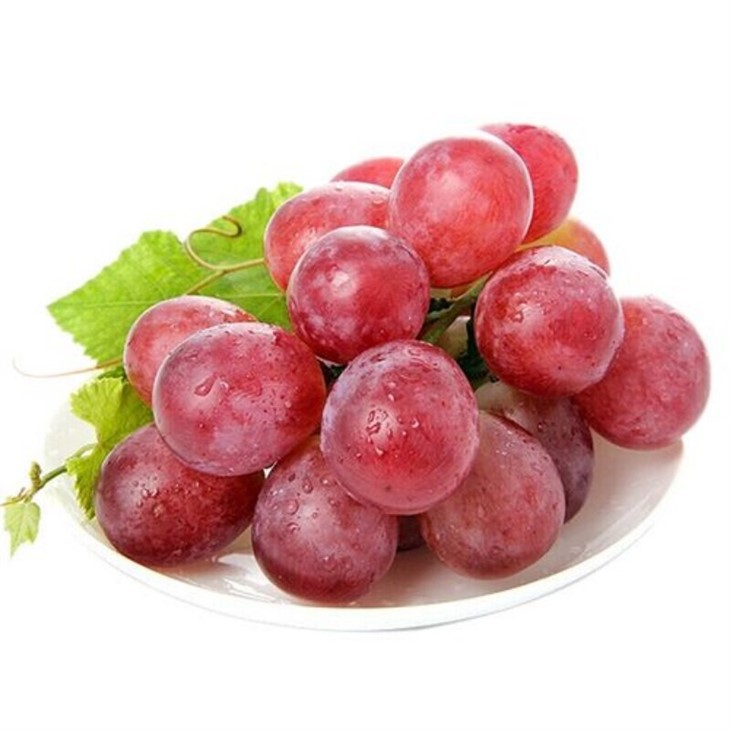
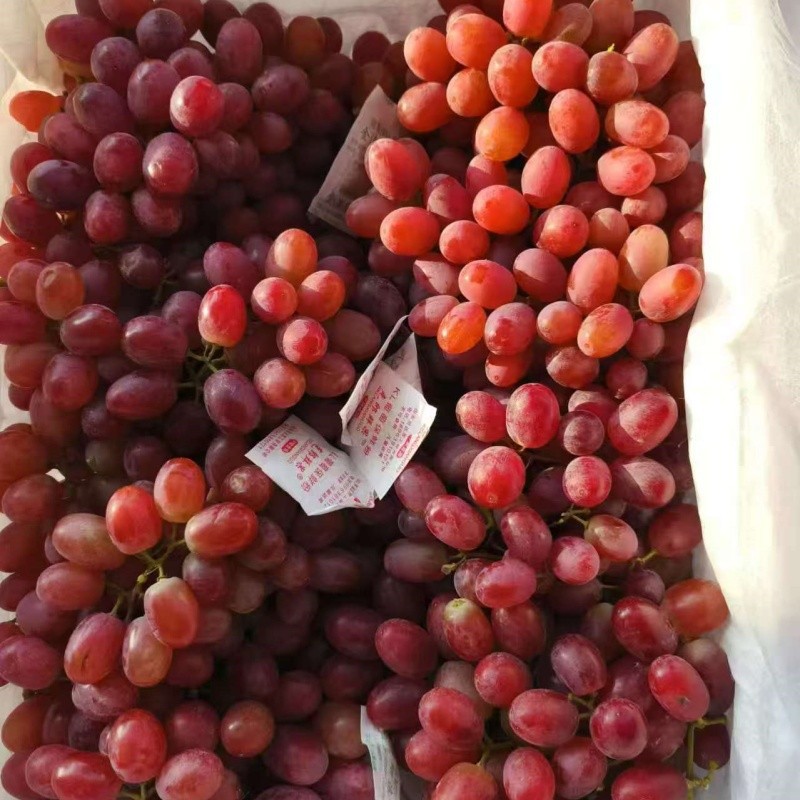
Crimson grapes are a popular variety known for their sweet flavor, crisp texture, and beautiful appearance. They thrive in warm, sunny climates and require a well - drained soil environment. The water needs of crimson grape plants vary depending on several factors, including the stage of growth, soil type, climate, and the age of the plants.
Growth Stages
- Bud Break to Bloom: During this early growth stage, the grapevines are starting to come out of dormancy and develop new shoots and leaves. Adequate water is essential to support this rapid growth. Generally, grapevines need about 1 - 1.5 inches of water per week. This can be provided through a combination of rainfall and irrigation.
- Fruit Set to Veraison: Once the grapes have set, they enter a period of rapid growth. The water requirements increase slightly to around 1.5 - 2 inches per week. This extra water helps the berries to expand and develop properly.
- Veraison to Harvest: Veraison is the stage when the grapes start to change color and ripen. At this point, it's important to reduce the amount of water. Over - watering during this stage can lead to diluted flavors and increased susceptibility to diseases. A weekly water supply of about 1 - 1.5 inches is usually sufficient.
Soil Type
- Sandy Soils: Sandy soils drain water quickly, which means that the water doesn't stay in the root zone for long. As a result, grape plants in sandy soils may need to be watered more frequently, perhaps every 2 - 3 days during the peak growing season.
- Clay Soils: Clay soils hold water for longer periods. However, they can also become waterlogged if over - watered. In clay soils, watering once every 5 - 7 days may be sufficient, depending on the weather conditions.
Climate
- Hot and Dry Climates: In regions with high temperatures and low humidity, the evaporation rate is high. This means that the grape plants lose water more quickly and need to be watered more often. In extremely hot and dry conditions, daily or every - other - day watering may be necessary.
- Cool and Humid Climates: In cooler and more humid areas, the water loss from the plants is slower. Watering once a week or even less frequently may be enough, especially if there is regular rainfall.
Age of the Plants
- Young Plants: Newly planted crimson grapevines have a smaller root system and are more vulnerable to drought. They need to be watered more frequently, perhaps every 2 - 3 days for the first few weeks after planting. As the roots grow and establish, the watering frequency can be gradually reduced.
- Mature Plants: Mature grapevines have a more extensive root system and can access water from a larger area. They are generally more drought - tolerant and can go longer between waterings.
Methods of Watering
- Drip Irrigation: Drip irrigation is one of the most efficient methods of watering grape plants. It delivers water directly to the root zone, minimizing water loss through evaporation and runoff. Drip systems can be set on a timer to ensure consistent watering at the appropriate intervals.
- Sprinkler Irrigation: Sprinkler irrigation can cover a large area quickly. However, it can also lead to wet foliage, which increases the risk of fungal diseases. If using sprinklers, it's best to water early in the morning so that the leaves have time to dry during the day.
Monitoring the Water Needs
- Soil Moisture Sensors: Soil moisture sensors can be installed in the root zone of the grape plants. These sensors measure the moisture content of the soil and can help you determine when it's time to water.
- Visual Inspection: Regularly check the soil around the grape plants. If the top 2 - 3 inches of soil are dry, it's usually a sign that the plants need water. You can also observe the leaves of the grapevines. Wilting or yellowing leaves may indicate a lack of water.
Our Crimson Grape Offerings
At our company, we take great care in growing and supplying high - quality crimson grapes. We offer a variety of crimson grape products, including Seedless Crimson Grape, Super Quality Fresh Grape Fresh Crimson Fruits for Exporting, and 24mm Seedless Crimson Grape. Our grapes are grown using the latest agricultural techniques and are carefully harvested at the peak of ripeness to ensure the best flavor and quality.
Conclusion
Determining how often to water crimson grape plants is not a one - size - fits - all answer. It requires careful consideration of the growth stage, soil type, climate, and age of the plants. By understanding these factors and using appropriate watering methods, you can ensure the healthy growth of your grapevines and produce high - quality grapes.
If you're interested in purchasing our crimson grapes, we'd love to hear from you. Whether you're a retailer looking to stock our products or a distributor seeking a reliable supplier, we're ready to discuss your needs and provide you with the best possible service. Contact us to start a procurement negotiation and experience the difference of our premium crimson grapes.
References
- "Grapevine Water Requirements" - University of California Agriculture and Natural Resources
- "Growing Grapes: A Guide to Vineyard Establishment and Management" - American Society for Enology and Viticulture
