


You know, I've been in the ginger business for quite some time now. I'm a ginger supplier, and I've seen firsthand how people are getting more and more interested in the health benefits of ginger. One topic that keeps coming up a lot is how ginger affects blood sugar levels. So, let's dig into this and see what the deal is.
First off, what exactly is blood sugar? Blood sugar, or glucose, is like the fuel for our bodies. It comes from the food we eat, especially carbs. Our bodies need to keep the blood sugar level in a healthy range. If it gets too high (hyperglycemia) or too low (hypoglycemia), it can lead to all sorts of health problems. Conditions like diabetes are all about the body having trouble regulating blood sugar properly.
Now, let's talk about ginger. Ginger is an amazing spice. It's been used in traditional medicine for ages, mainly in Asian countries. People used it to treat upset stomachs, nausea, and so on. But over the years, scientists have started looking into other possible health benefits, including its effect on blood sugar.
There are a bunch of studies that have been done on ginger and blood sugar. Some of these studies were done on animals, like rats. In these studies, when the animals were given ginger, their blood sugar levels seemed to go down. For example, one study had diabetic rats. After they were given a ginger extract, their fasting blood sugar levels dropped, and their insulin sensitivity increased. Insulin is a hormone that helps our cells take in glucose from the blood. So, better insulin sensitivity means the body can use glucose more effectively.
But what about human studies? Well, there have been some of those too. In one clinical trial, people with type 2 diabetes were given either a ginger supplement or a placebo (a fake pill). After a few weeks, the group that took the ginger supplement had lower fasting blood sugar levels compared to the placebo group. Another study looked at how ginger affected blood sugar right after a meal. The participants who ate ginger with their meal had a smaller spike in blood sugar than those who didn't.
So, how does ginger actually do this? There are a few theories. Ginger has a bunch of bioactive compounds in it, like gingerol. Gingerol has antioxidant and anti - inflammatory properties. These properties might help protect the cells in the pancreas that make insulin. If the pancreas cells are healthy, they can make and release insulin properly, which helps in regulating blood sugar.
Also, ginger might slow down the absorption of sugar in the digestive tract. When we eat carbs, they get broken down into glucose and absorbed into the bloodstream. Ginger might slow this process down, so the glucose doesn't flood into the blood all at once. And that can prevent those big spikes in blood sugar that are not good for our health.
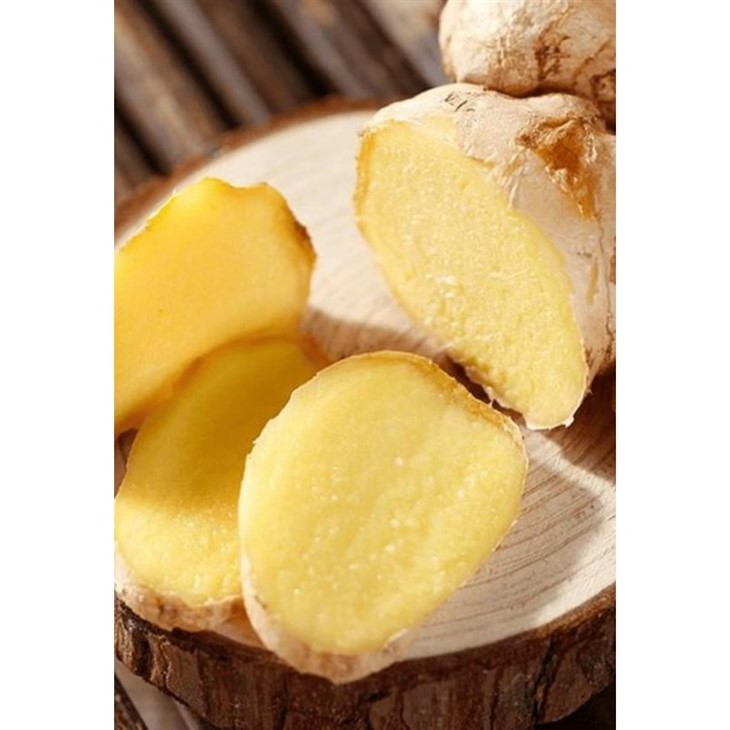
Now, if you're thinking about using ginger to manage your blood sugar, there are a few things to keep in mind. First, the form of ginger matters. You can use fresh ginger, dried ginger, or ginger supplements. Fresh ginger is great because it's natural and has all the original compounds intact. You can add it to your cooking, make ginger tea, or even chew on a small piece if you can handle the spiciness. Check out our 200g Fresh Ginger or Organic Fresh Ginger for high - quality options.
Dried ginger is more concentrated. You can use it in powdered form in baking or cooking. Our Best Quality Big Size Fresh Dry Ginger is a great choice if you prefer dried ginger.
But if you're already on medication for diabetes, like insulin or other blood - sugar - lowering drugs, you need to be really careful. Ginger might interact with these medications and cause your blood sugar to drop too low. Always talk to your doctor before you start using ginger as a supplement to manage your blood sugar.
Another thing is the amount of ginger. There's no one - size - fits - all answer here. Some studies used relatively small amounts of ginger, like 1 - 2 grams a day, while others used more. It's best to start with a small amount and see how your body reacts. You can gradually increase the amount if you don't have any negative side effects.

As a ginger supplier, I'm really excited about all these potential health benefits of ginger. It's not just a great - tasting spice; it could be a natural way to help manage blood sugar levels. And we're committed to providing the best quality ginger products. Whether you're looking for fresh ginger to add to your daily meals or dried ginger for a more concentrated effect, we've got you covered.
If you're a health - conscious individual, a chef looking to add some healthy ingredients to your recipes, or a business interested in buying ginger in bulk, we'd love to hear from you. We can offer you high - quality ginger at competitive prices. Just reach out to us to start a conversation about your procurement needs. We're here to make sure you get the best ginger products for your specific requirements.
In conclusion, ginger seems to have a positive impact on blood sugar levels based on both animal and human studies. But it's not a magic cure - all. It should be used as part of a balanced diet and a healthy lifestyle. And if you have any health concerns, always consult a medical professional.
References
- Several animal and human studies on ginger and blood sugar levels from various scientific journals in the field of nutrition and diabetes research.
- Traditional medicine records from Asian countries where ginger has been used for centuries.
