


As a Fuji apple supplier, I've learned a great deal about the proper storage of cut Fuji apples. Ensuring the freshness and quality of these delicious fruits is crucial, not only for consumers but also for businesses like ours. In this blog, I'll share some scientific and practical methods for storing cut Fuji apples.
The Importance of Proper Storage
Fuji apples are known for their sweet taste, crisp texture, and high nutritional value. However, once they are cut, they are exposed to air, which can lead to oxidation and spoilage. Oxidation causes the apples to turn brown, lose their flavor, and become less appealing. Proper storage can slow down this process and extend the shelf life of cut Fuji apples.
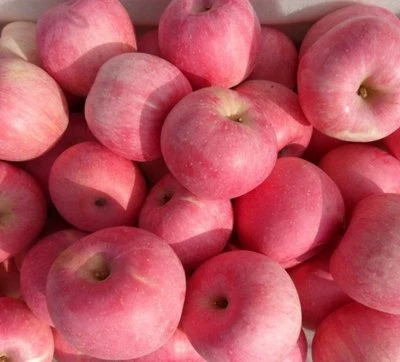
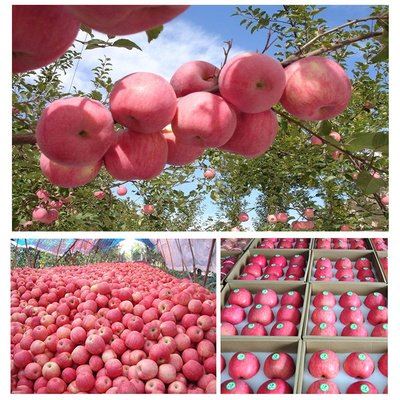
Preparation Before Storage
Before storing cut Fuji apples, it's essential to prepare them properly. First, wash the apples thoroughly under running water to remove any dirt or pesticides. Then, use a sharp knife to cut the apples into the desired size and shape. It's important to use a clean knife to prevent the introduction of bacteria.
After cutting, you can treat the apples to prevent browning. One common method is to soak the cut apples in a solution of water and lemon juice. The acid in the lemon juice helps to slow down the oxidation process. You can also use other acidic solutions, such as vinegar or ascorbic acid.
Storage Methods
There are several ways to store cut Fuji apples, depending on how long you need to keep them and the available resources.
Refrigeration
Refrigeration is one of the most common methods for storing cut Fuji apples. Place the cut apples in an airtight container or a plastic bag and store them in the refrigerator. The cold temperature slows down the oxidation process and helps to keep the apples fresh. Make sure to remove as much air as possible from the container or bag to prevent oxidation.
When storing cut apples in the refrigerator, it's best to use them within 3 - 5 days. After this time, the apples may start to lose their texture and flavor.
Freezing
Freezing is another option for long - term storage of cut Fuji apples. First, place the cut apples on a baking sheet lined with parchment paper and freeze them for a few hours until they are solid. This is called flash - freezing. Then, transfer the frozen apples to a freezer - safe container or a plastic bag.
Frozen cut Fuji apples can be stored for up to 8 - 12 months. When you're ready to use them, simply thaw the apples in the refrigerator overnight. However, keep in mind that the texture of the apples may change slightly after freezing and thawing.
Vacuum Sealing
Vacuum sealing is an effective way to remove air from the storage container, which helps to prevent oxidation. You can use a vacuum sealer to seal the cut apples in a special plastic bag. This method can significantly extend the shelf life of cut Fuji apples, whether they are stored in the refrigerator or freezer.
Tips for Maintaining Quality
- Keep the apples clean: Make sure all utensils and containers used for cutting and storing the apples are clean to prevent the growth of bacteria.
- Check regularly: Periodically check the stored cut apples for any signs of spoilage, such as mold or an off - odor.
- Separate from strong - smelling foods: Apples can absorb odors from other foods in the refrigerator or freezer. Keep them away from strong - smelling items like onions or garlic.
Our Fuji Apple Offerings
As a Fuji apple supplier, we offer a variety of high - quality Fuji apples. You can check out our 20kgs Carton Box Fuji Apple, which is perfect for large - scale purchases. Our High Quality Fresh Red/FUJI/Gala/Golden/Huaniu Apple provides a diverse selection for different preferences. And if you're looking for the latest crop, our New Crop Fresh FUJI Apple is a great choice.
If you're interested in purchasing our Fuji apples for your business or personal use, we're more than happy to discuss your requirements. Contact us for more information and to start a procurement negotiation. We're committed to providing the best quality apples and excellent service.
References
- Kader, A. A. (2002). Postharvest Technology of Horticultural Crops. University of California, Division of Agriculture and Natural Resources.
- Watada, A. E., Heatherbell, D. A., & Uota, B. T. (1984). Enzymatic browning and its prevention in apple and apple products. CRC Critical Reviews in Food Science and Nutrition, 20(3), 263 - 299.
