


Growing green apple trees can be a super rewarding experience, especially when you're in the business like me, being a green apple supplier. It's not just about having a few apple trees in your backyard; it's about cultivating a sustainable source of high - quality green apples that the market craves. So, let's dive into how I go about growing these beauties.
Choosing the Right Variety
There are quite a few varieties of green apples out there, and picking the right one is the first crucial step. Some popular varieties include Granny Smith, which is well - known for its tart flavor and crisp texture, and Golden Delicious, which has a sweeter profile. You've got to consider your local climate, soil type, and the market demand.
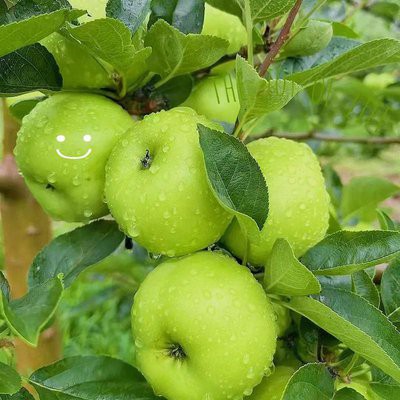
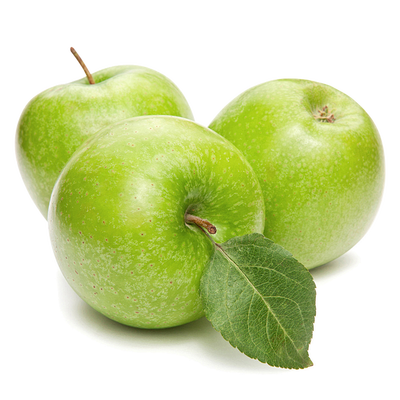
For me, since I'm focused on supplying a large quantity of green apples, I tend to go with Granny Smith. It's a hardy variety that can withstand a wide range of climates and has a long storage life, which is great for a business. Once you've decided on the variety, you need to get your hands on high - quality saplings. You can buy them from a reputable nursery. Make sure the saplings look healthy, with no signs of disease or damage. The roots should be well - developed and not too dry.
Site Selection
The location where you plant your green apple trees is make or break. Green apple trees love sunlight, so you want to pick a spot that gets at least 6 - 8 hours of direct sunlight a day. This sunlight is essential for the photosynthesis process, which helps the tree grow and produce those delicious apples.
The soil is also key. Green apple trees thrive in well - drained soil that's rich in organic matter. I usually test the soil before planting. You can get a soil test kit from a local gardening store. The ideal pH for green apple trees is between 6.0 and 7.0. If your soil is too acidic, you can add lime to raise the pH, and if it's too alkaline, you can add sulfur. Also, make sure the site has good air circulation. This helps prevent diseases by allowing the leaves to dry out quickly after rain or dew.
Planting Process
When it's time to plant your saplings, dig a hole that's about twice as wide and just as deep as the root ball. Gently loosen the roots of the sapling before placing it in the hole. Make sure the tree is standing straight, and then fill the hole with soil, packing it down firmly around the base of the tree. Give the newly - planted sapling a good watering to help it settle in.
Mulching around the base of the tree is a great idea. It helps retain moisture, suppress weeds, and regulate soil temperature. You can use organic mulch like wood chips or straw. Just make sure to keep the mulch a few inches away from the trunk to prevent rot.
Watering and Fertilizing
Watering is a balancing act. Green apple trees need a consistent supply of water, especially during the growing season. But over - watering can lead to root rot. I usually water deeply once or twice a week, depending on the weather. In hot, dry weather, you may need to water more frequently.
Fertilizing is also important. I use a balanced fertilizer in the spring, just before new growth starts. You can find fertilizers specifically formulated for fruit trees at your local garden center. Follow the instructions on the package carefully, as over - fertilizing can do more harm than good. You might also want to consider adding some organic matter, like compost, to the soil around the tree every year. This enriches the soil and provides a slow - release source of nutrients.
Pruning and Training
Pruning is essential for the health and productivity of your green apple trees. I start pruning when the tree is young to shape it and encourage strong branching. In the early years, I focus on removing any dead, damaged, or crossed branches. This helps improve air circulation and sunlight penetration within the tree canopy.
As the tree matures, I continue to prune to maintain its shape and size. I also thin out the branches to allow more light to reach the fruit - bearing branches. Training the tree to a specific shape, like an open - center or central - leader system, can also make it easier to manage and harvest the apples.
Pest and Disease Management
Pests and diseases can be a real headache when growing green apple trees. Common pests include aphids, apple maggots, and codling moths. I use a combination of methods to manage pests. For small infestations, I might try using insecticidal soaps or neem oil, which are more environmentally friendly. For larger infestations, I may need to use chemical pesticides, but I always follow the safety instructions carefully.
Diseases like apple scab, fire blight, and powdery mildew can also affect green apple trees. To prevent diseases, I make sure to keep the tree healthy through proper watering, fertilizing, and pruning. I also clean up fallen leaves and fruit around the tree, as these can harbor disease - causing organisms.
Harvesting
The moment we've all been waiting for – harvesting! Green apple trees usually start producing fruit 3 - 5 years after planting. You'll know the apples are ready to harvest when they reach their full color and are firm to the touch. Granny Smith apples are typically ready in the late fall.
I use a gentle hand when picking the apples to avoid bruising. You want to hold the apple in your hand and give it a slight twist. If it comes off the tree easily, it's ready. After harvesting, I sort the apples by size and quality. The best - looking apples go straight to the market, while the slightly blemished ones can be used for processing, like making apple juice or cider.
Connecting with the Market
As a green apple supplier, I'm always looking for ways to connect with buyers. Offering high - quality green apples is the first step. I always make sure to pick the apples at the perfect time and store them properly to maintain their freshness. I also invest in good packaging to protect the apples during transit.
If you're interested in buying our delicious green apples, we've got a great variety for you. Check out Delicious Green Apples to see some of our best - sellers. We also offer 100 Fresh Apples Green for those who are looking to buy in bulk. And if you're into a mix, our Green And Red Delicious Apple option is a great choice.
If you're a retailer, wholesaler, or just someone who loves green apples and wants to buy in larger quantities, don't hesitate to reach out. We're always open to discussing business opportunities and finding the best solutions for your apple - purchasing needs.
References
- "The Apple Grower: A Guide for the Organic Orchardist" by Michael Phillips
- "Fruit Trees: A Step - by - Step Guide to Growing Fruit Trees" by DK Publishing
- Local agricultural extension services' guides on apple tree cultivation
