


Hey there, apple lovers! I'm an avid supplier of Gala apples, and I've been in this business for quite a while. One question that often pops up is, "How do Gala apples rank in terms of pesticide residue?" Well, let's dive right into it.
First off, Gala apples are super popular. They're sweet, have a nice crunch, and are just perfect for munching on, adding to salads, or making into pies. But when it comes to pesticides, it's a topic that concerns a lot of consumers these days. And as a supplier, I totally get it. We all want to know what we're putting into our bodies.
Pesticides are used in apple farming to protect the fruit from pests and diseases. Without them, it would be really tough to grow a good - quality crop. But the key is to use them in a way that's safe for both the environment and the consumers.
Now, let's talk about how Gala apples stack up in terms of pesticide residue. There have been numerous studies on this. Some research shows that Gala apples generally have a relatively low level of pesticide residue compared to some other apple varieties. This is partly because of the way they're grown and the types of pesticides that are commonly used on them.
The farming practices play a huge role here. Many Gala apple growers are adopting more sustainable and eco - friendly methods. For example, they're using integrated pest management (IPM) techniques. This means they're not just relying on pesticides alone. Instead, they're combining different strategies like biological control (using natural predators to control pests), crop rotation, and good orchard hygiene.
One of the reasons Gala apples might have lower residue levels is that they have a relatively thin skin. Pesticides are more likely to be absorbed and stay on the skin of the fruit. With a thinner skin, there's less surface area for the pesticides to adhere to. Also, Gala apples are often harvested at a specific time when the fruit is at its best, and this can also affect the amount of pesticide residue.
But it's important to note that the level of pesticide residue can vary depending on where the Gala apples are grown. Different regions have different regulations and farming practices. For instance, in some areas with strict environmental regulations, the use of pesticides is more tightly controlled. So, Gala apples from these regions are likely to have even lower residue levels.
As a Gala apple supplier, I make sure to source my apples from growers who follow good agricultural practices. I work with farmers who are committed to producing high - quality, safe apples. We test the apples regularly to ensure that the pesticide residue levels are within the acceptable limits set by the relevant authorities.
Now, let me tell you a bit about the different types of Gala apples I offer. I've got the Class 1 Gala Apple. These are top - notch apples with excellent flavor and appearance. They're perfect for supermarkets and high - end fruit stores.
Then there's the Sweet Red Gala Apple. These are extra sweet and have a beautiful red color. They're a real hit with consumers who love a sweeter apple.

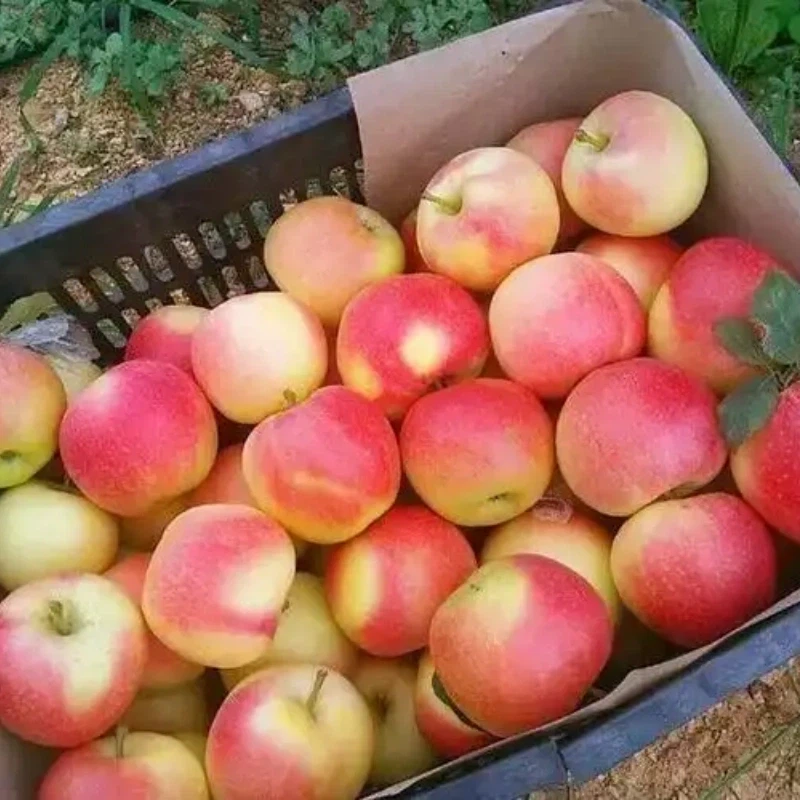
And for those looking for something special, we have the Chinese Paper Bagged Gala Apple Export. The paper bagging method not only protects the apples from pests and diseases but also gives them a unique flavor and texture.
So, if you're a retailer, a distributor, or just someone who loves apples and wants to buy in bulk, I'd love to talk to you. Whether you're running a grocery store, a fruit stand, or a restaurant, I can provide you with high - quality Gala apples that meet all the safety standards.
In conclusion, Gala apples generally rank well in terms of pesticide residue, especially when they're grown using good agricultural practices. As a supplier, I'm committed to providing the best - quality apples with minimal pesticide residue. If you're interested in purchasing Gala apples, don't hesitate to reach out. We can discuss your needs, the quantity you're looking for, and the best way to get the apples to you.
References
- "Pesticide Residue in Apples: A Comprehensive Review", Journal of Agricultural and Food Chemistry
- "Sustainable Apple Farming Practices", Agricultural Research Institute Report
