


Do red onions cause less bad breath than white onions? That's a question I've been getting a lot lately, and as a red onion supplier, I'm more than happy to dig into it.
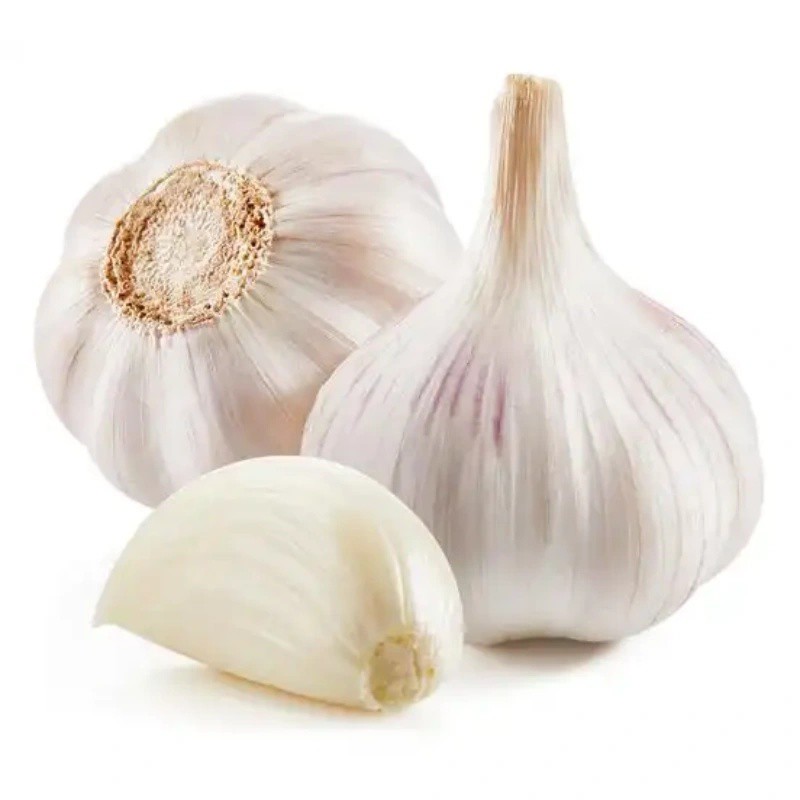
Let's start with the basics. Onions, both red and white, are part of the allium family, which also includes white garlic, shallots, and leeks. They're known for their distinct flavors and health benefits, but they're also infamous for causing bad breath.
The reason onions make your breath stink is due to sulfur - containing compounds. When you cut or chew an onion, enzymes break down these compounds, releasing volatile sulfur compounds (VSCs). These VSCs are what give onions their pungent smell and are also the main culprit behind onion - induced bad breath.
Now, let's talk about the differences between red and white onions. Red onions are a bit sweeter and milder in flavor compared to white onions. They also have a higher water content. White onions, on the other hand, are more pungent and have a sharper taste.

So, does the milder flavor of red onions mean they cause less bad breath? Well, it's not that straightforward. The amount of VSCs released depends on several factors, not just the type of onion.
One factor is how the onion is prepared. If you cook an onion, the heat breaks down the enzymes that release VSCs, reducing the amount of bad - breath - causing compounds. Whether it's a red or white onion, cooking can significantly cut down on the odor.
Another factor is the amount of onion you consume. Eating a large amount of either red or white onions is likely to result in bad breath. But if you're having a small amount, the milder flavor of red onions might lead to less noticeable bad breath.
Scientifically speaking, there isn't a whole lot of research specifically comparing the bad - breath - causing potential of red and white onions. However, based on their chemical composition and flavor profiles, it's reasonable to assume that red onions could potentially cause less bad breath.
Red onions contain more anthocyanins, which are antioxidants that give them their red color. These antioxidants might also have some impact on reducing the odor. While there's no concrete evidence that anthocyanins directly reduce bad breath from onions, they do have anti - inflammatory and antibacterial properties, which could potentially help in keeping your mouth fresh.
On the other hand, white onions have a higher concentration of certain sulfur compounds, which might lead to a more intense release of VSCs. But again, this doesn't mean that red onions are completely odor - free.
Let's look at some real - life scenarios. If you're using onions in a salad, a red onion might be a better choice if you're worried about bad breath. Its milder flavor won't be as overpowering, and it'll blend well with other ingredients like fresh huaniu apple or premium selected fresh carrot. The sweetness of the red onion can also add a nice contrast to the other flavors.
If you're making a savory dish like a stir - fry or a soup, both red and white onions can work. But if you're serving the dish to guests and don't want everyone walking around with onion breath, you might want to go with red onions or cook them thoroughly.
There are also some things you can do to reduce onion - induced bad breath. Chewing gum or mint can help mask the odor. Drinking milk can also be effective because the casein in milk binds to the VSCs, reducing their smell.
As a red onion supplier, I've seen the growing demand for red onions in the market. People are not only looking for their great taste but also for their potential health benefits. Red onions are rich in vitamins C and B6, as well as potassium and fiber. They're also low in calories, making them a great addition to a healthy diet.
If you're a restaurant owner, using red onions in your dishes can be a smart move. They can add a unique flavor without overwhelming your customers' taste buds or leaving them with unpleasant breath. You can experiment with different recipes and see how red onions can enhance your menu.
For home cooks, red onions are a versatile ingredient. You can use them in everything from sandwiches to casseroles. And if you're concerned about bad breath, you can pair them with other fresh ingredients to balance out the flavor.
In conclusion, while there's no definitive answer to whether red onions cause less bad breath than white onions, there are reasons to believe they might. Their milder flavor, higher water content, and antioxidant properties all suggest that they could be a better choice if you're worried about odor.
If you're interested in purchasing red onions for your business or personal use, I'd love to talk to you. We have a wide range of high - quality red onions that are fresh and flavorful. Whether you're a small - scale retailer or a large - scale food manufacturer, we can work with you to meet your needs. Just reach out, and we can start a conversation about how red onions can be a great addition to your products or meals.
References
- "The Chemistry of Onions and Garlic" by Eric Block. Published in the Journal of Chemical Education.
- "Antioxidant and Anti - inflammatory Properties of Anthocyanins" by various researchers. Available in the Journal of Nutritional Biochemistry.
