


Do onions have antibacterial properties? This is a question that has intrigued both the scientific community and consumers alike. As an onion supplier, I've witnessed the growing interest in the health benefits of onions, and the antibacterial aspect is one of the most talked-about topics.
The Science Behind Onions' Antibacterial Properties
Onions are a staple in kitchens around the world, not only for their unique flavor but also for their potential health benefits. The antibacterial properties of onions are primarily attributed to their high content of sulfur - containing compounds, such as allicin. When an onion is cut or crushed, an enzyme called alliinase converts alliin into allicin. Allicin is a powerful antibacterial and antifungal agent.
Numerous scientific studies have been conducted to explore the antibacterial effects of onions. For instance, research has shown that onion extracts can inhibit the growth of various bacteria, including Escherichia coli, Staphylococcus aureus, and Salmonella. These bacteria are responsible for a wide range of infections, from mild food - borne illnesses to more severe hospital - acquired infections.
The mechanism behind the antibacterial action of allicin is quite fascinating. Allicin can penetrate the bacterial cell wall and disrupt the normal functioning of the cell. It can react with essential enzymes and proteins within the bacteria, leading to their inactivation. This ultimately inhibits the growth and survival of the bacteria.
Different Types of Onions and Their Antibacterial Potency
There are several types of onions available in the market, and each may have a slightly different antibacterial potency. Red onions, for example, are known to have a higher content of antioxidants compared to yellow onions. The antioxidants in red onions, such as anthocyanins, not only contribute to their vibrant color but also enhance their antibacterial properties.
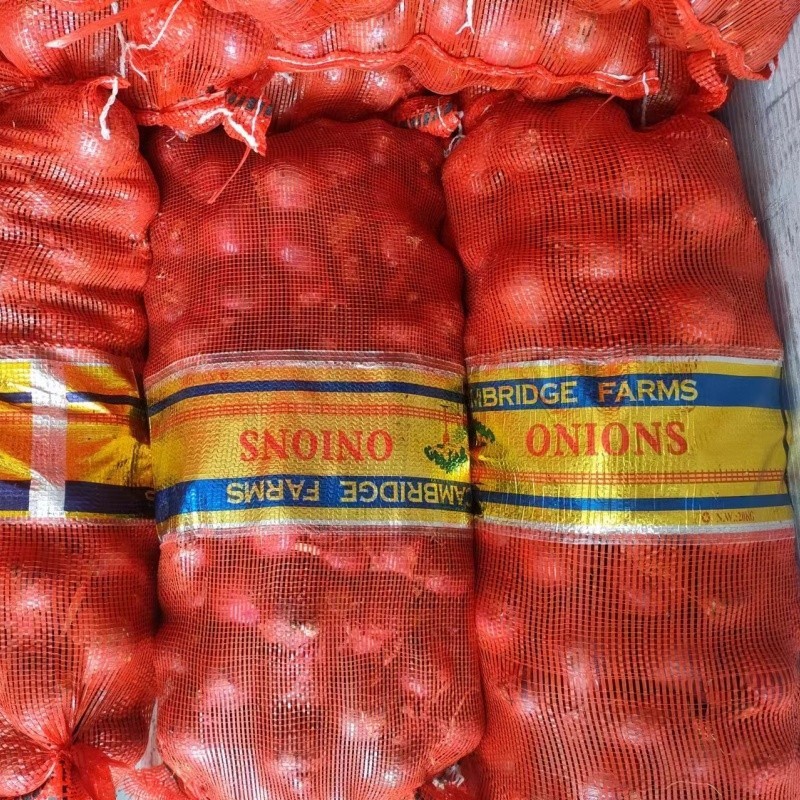
Our company offers a variety of onions, including 4 - 6cm Yellow Onion, 7 - 9cm Red Onion, and 4 - 6cm Red Onion. Each type has its own unique flavor profile and potential health benefits.
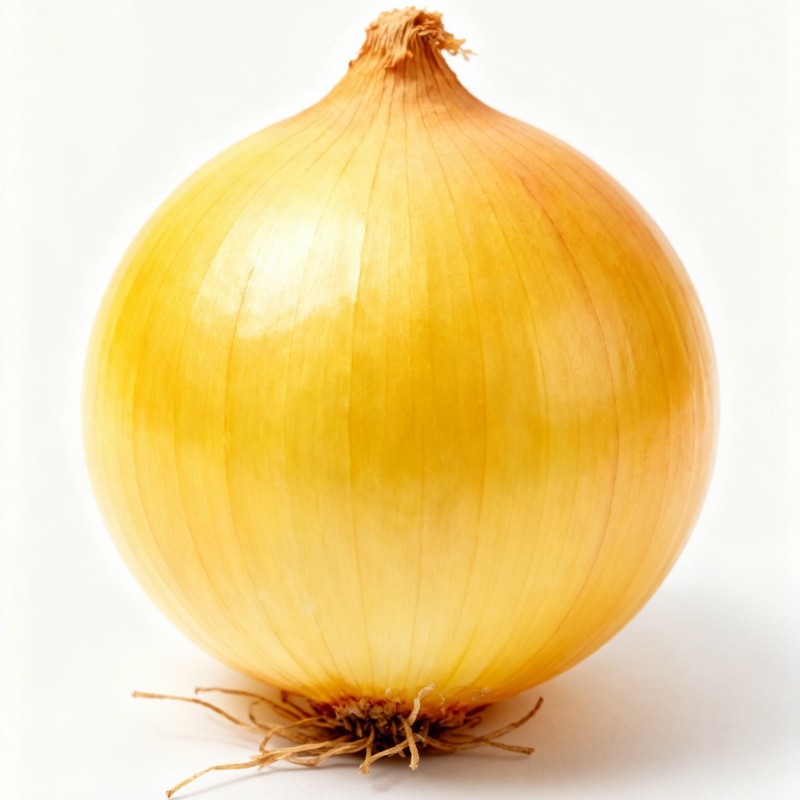
Yellow onions are more commonly used in cooking due to their sweet and pungent flavor. They also contain a significant amount of sulfur - containing compounds, which contribute to their antibacterial activity. Red onions, on the other hand, are not only rich in antioxidants but also have a milder flavor, making them a popular choice for salads and raw preparations.
Practical Applications of Onions' Antibacterial Properties
In the culinary world, the antibacterial properties of onions can be used to enhance food safety. For example, adding onions to dishes can help prevent the growth of harmful bacteria, especially in foods that are prone to spoilage. Onions can also be used in home remedies for minor infections. A simple onion poultice can be made by grating an onion and applying it to a wound or an infected area. The antibacterial properties of the onion can help reduce inflammation and promote healing.
In the food industry, onion extracts are increasingly being used as natural preservatives. Instead of relying on synthetic chemicals, many food manufacturers are turning to onion extracts to extend the shelf - life of their products. This not only provides a more natural alternative but also appeals to consumers who are looking for healthier and more sustainable food options.
Factors Affecting the Antibacterial Properties of Onions
The antibacterial properties of onions can be affected by several factors. The variety of the onion plays a crucial role. As mentioned earlier, red onions generally have a higher antioxidant content, which may contribute to stronger antibacterial activity. The growing conditions, such as soil quality, climate, and farming practices, can also influence the chemical composition of onions.
The way onions are stored and processed can also impact their antibacterial properties. For example, storing onions at a low temperature can help preserve their sulfur - containing compounds. On the other hand, over - cooking onions can lead to the degradation of allicin, reducing their antibacterial potency.
The Future of Onions in the Health and Food Industry
As consumers become more health - conscious, the demand for natural antibacterial agents is on the rise. Onions, with their proven antibacterial properties, are well - positioned to play a significant role in the health and food industry.
In the pharmaceutical industry, there is potential for the development of onion - based antibacterial drugs. Scientists are exploring the use of onion extracts in the treatment of various bacterial infections. In the food industry, the use of onion extracts as natural preservatives is likely to increase, as consumers demand more natural and healthy food products.
Conclusion
In conclusion, onions do have antibacterial properties, primarily due to the presence of sulfur - containing compounds such as allicin. Different types of onions, including yellow and red onions, offer varying degrees of antibacterial activity. As an onion supplier, I am excited about the potential of onions in the health and food industry.
If you are interested in purchasing high - quality onions for your business, whether it's for culinary use, food manufacturing, or other applications, please feel free to reach out to us for a procurement discussion. We are committed to providing you with the best - quality onions that meet your specific needs.
References
- Cavagnaro, T. R., & Mikkelsen, T. N. (2005). Influence of sulfur nutrition on the content of thiosulfinates and other flavor precursors in onion (Allium cepa L.). Journal of Agricultural and Food Chemistry, 53(22), 8611 - 8617.
- Block, E. (1985). The chemistry of garlic and onions. Scientific American, 252(3), 114 - 123.
- O'Gara, F., & O'Sullivan, D. J. (1999). Traits of fluorescent Pseudomonas spp. involved in suppression of plant root pathogens. Microbiology and Molecular Biology Reviews, 63(4), 662 - 678.
