


Sure, onions can definitely be canned! As an onion supplier, I've seen firsthand how popular canned onions are in the market. They're convenient, have a long shelf life, and can be used in a wide variety of dishes. In this blog post, I'll share some insights on canning onions, including the benefits, the process, and some tips for getting the best results.
Why Can Onions?
There are several reasons why you might want to can onions. First and foremost, it's a great way to preserve the harvest. If you grow your own onions or buy them in bulk, canning them allows you to enjoy them throughout the year. Canned onions are also convenient. They're already peeled and chopped, so you can save time in the kitchen. Plus, they're easy to store and don't require any special refrigeration.
Another benefit of canned onions is that they have a consistent flavor and texture. When you can onions at home, you can control the ingredients and seasonings, ensuring that the final product tastes exactly the way you like it. Canned onions are also a great option for people who don't have access to fresh onions year-round or who want to have a backup supply on hand.

The Canning Process
The process of canning onions is relatively simple, but it does require some basic equipment and knowledge. Here's a step-by-step guide to canning onions at home:
- Gather Your Supplies: You'll need canning jars with lids and rings, a canner (either a water bath canner or a pressure canner), a large pot for boiling the onions, a slotted spoon, a ladle, and a jar lifter. You'll also need onions, salt, and water.
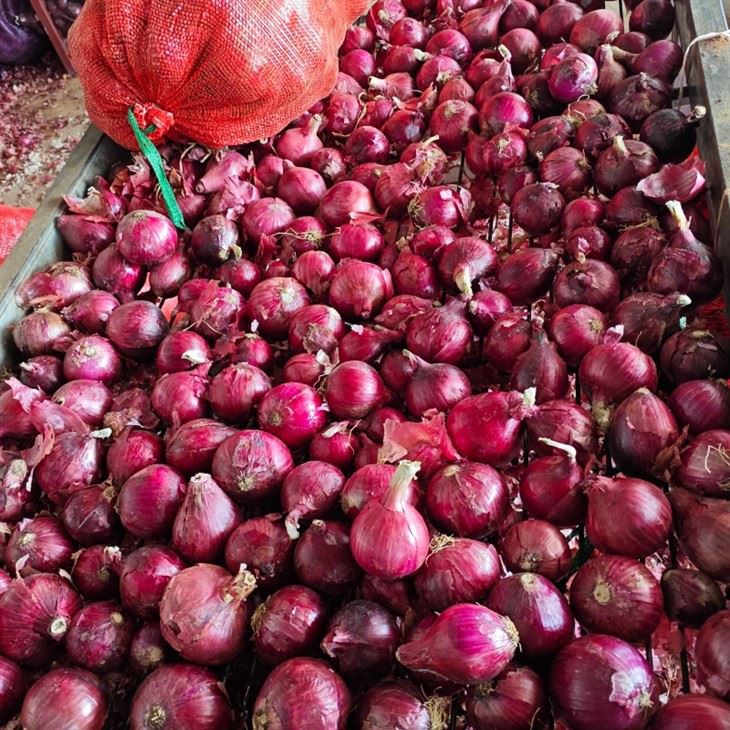
- Prepare the Onions: Start by peeling and chopping the onions into the desired size. You can use any type of onion, but I recommend using 4-6cm Red Onion or 5-8cm Yellow Onion for their sweet and mild flavor.
- Blanch the Onions: Bring a large pot of water to a boil and add the chopped onions. Boil for 2-3 minutes, then remove the onions from the pot using a slotted spoon and plunge them into a bowl of ice water to stop the cooking process.
- Pack the Jars: Drain the onions well and pack them into clean, hot canning jars, leaving about 1/2 inch of headspace at the top of each jar. Add 1/2 teaspoon of salt to each jar, then fill the jars with boiling water, leaving 1/2 inch of headspace.
- Remove Air Bubbles: Use a non-metallic utensil to remove any air bubbles from the jars. Wipe the rims of the jars with a clean, damp cloth to remove any debris.
- Seal the Jars: Place the lids on the jars and tighten the rings until they're fingertip tight.
- Process the Jars: Place the jars in the canner and process them according to the manufacturer's instructions. For water bath canning, process the jars for 30 minutes. For pressure canning, process the jars for 7 minutes at 10 pounds of pressure.
- Cool the Jars: After processing, remove the jars from the canner and let them cool on a wire rack. As the jars cool, you should hear a popping sound, which indicates that the lids have sealed properly.
- Check the Seals: Once the jars have cooled completely, check the seals by pressing down on the center of each lid. If the lid doesn't move or make a popping sound, the jar is sealed properly. If the lid moves or makes a popping sound, the jar didn't seal and should be refrigerated and used within a few days.
Tips for Canning Onions
Here are some tips to help you get the best results when canning onions:
- Use Fresh Onions: Fresh onions will have a better flavor and texture than older onions. Make sure to use onions that are firm, dry, and free of mold or rot.
- Choose the Right Size Jars: Use jars that are the right size for your needs. Pint jars are a good option for most recipes, but you can also use quart jars if you want to make larger batches.
- Follow the Recipe: Make sure to follow the recipe carefully and use the correct amount of salt and water. Using too much or too little of either ingredient can affect the flavor and texture of the canned onions.
- Process the Jars Properly: It's important to process the jars for the correct amount of time and at the correct pressure. This will ensure that the onions are safe to eat and will have a long shelf life.
- Store the Jars Properly: Once the jars are sealed, store them in a cool, dark place. Canned onions can last for up to a year if stored properly.
Using Canned Onions
Canned onions can be used in a variety of dishes, including soups, stews, casseroles, and salads. They're also a great addition to sandwiches, burgers, and pizzas. Here are some ideas for using canned onions:
- Onion Soup: Make a delicious onion soup by sautéing canned onions in butter until they're golden brown. Add beef broth, garlic, and thyme, then simmer for 30 minutes. Serve the soup with a slice of crusty bread and a sprinkle of Parmesan cheese.
- Onion Rings: Make crispy onion rings by dipping canned onions in a batter made from flour, cornmeal, and spices. Fry the onion rings in hot oil until they're golden brown and crispy. Serve the onion rings with your favorite dipping sauce.
- Onion Dip: Make a creamy onion dip by mixing canned onions with sour cream, mayonnaise, and garlic powder. Serve the dip with chips, vegetables, or crackers.
- Onion Salad: Make a refreshing onion salad by combining canned onions with tomatoes, cucumbers, and feta cheese. Drizzle the salad with olive oil and lemon juice, then season with salt and pepper.
- Onion Pizza: Make a delicious pizza by spreading tomato sauce on a pizza crust and topping it with canned onions, mozzarella cheese, and your favorite vegetables. Bake the pizza in a preheated oven until the crust is golden brown and the cheese is melted.
Contact Us for Onion Procurement
If you're interested in purchasing high-quality onions for canning or other purposes, we're here to help. We offer a wide range of onions, including 4-6cm Red Onion and Wholesale Size 4-6cm Fresh Onion, 5-8cm Yellow Onion. Our onions are fresh, flavorful, and perfect for canning, cooking, or eating raw.
Whether you're a small business looking to stock up on onions or a large-scale food manufacturer in need of a reliable supplier, we can meet your needs. Contact us today to discuss your onion procurement requirements and to learn more about our products and services. We look forward to working with you!
References
- Ball Blue Book Guide to Preserving
- USDA Complete Guide to Home Canning
