


Hey there, fellow gardening enthusiasts! I'm [Your Name], and I run a Fuji apple supply business. You know, I get asked a lot if Fuji apples are easy to grow in a backyard. Well, let's dive right into it and find out.
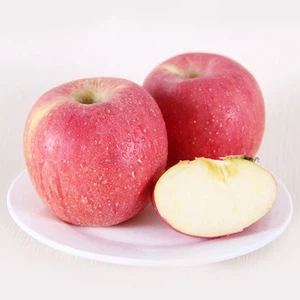
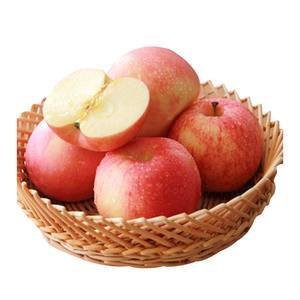
First off, what makes Fuji apples so special? These apples are a cross between the Red Delicious and Ralls Janet apples, and they've got this amazing sweet - tart flavor. They're crisp, juicy, and stay fresh for a long time. That's why they're super popular at grocery stores and farmers' markets. And if you click on fresh pple, you can see some of the beautiful Fuji apples we supply.
Now, getting back to the question: Are they easy to grow in a backyard? Well, it's a bit of a mixed bag.
Climate Requirements
Fuji apples are a bit picky when it comes to climate. They need a good amount of chill hours. Chill hours are basically the number of hours below 45°F (7°C) during the dormant season. Fuji apples typically require between 600 - 900 chill hours. If you live in a region with mild winters, like parts of Florida or southern California, you might struggle to meet this requirement. On the other hand, if you're in a place with cold winters, like the Northeast or the Midwest in the United States, the climate is more likely to be suitable.
But it's not just about the cold. They also need a warm growing season. During the spring and summer, they need plenty of sunlight and warm temperatures to develop those sweet flavors. A lack of sunlight can result in apples that are less sweet and have a more bland taste.
Soil Conditions
The soil is another crucial factor. Fuji apples prefer well - drained soil. If your soil is heavy and clay - like, water can get trapped, which can lead to root rot. You can improve the soil by adding organic matter like compost or aged manure. This helps to loosen the soil and improve its drainage.
The soil should also be slightly acidic, with a pH level between 6.0 and 6.5. You can test your soil's pH using a simple soil testing kit from your local garden center. If the pH is too high, you can add sulfur to lower it. If it's too low, you can add lime to raise it.
Planting
When it comes to planting Fuji apple trees in your backyard, you've got a few options. You can buy bare - root trees or container - grown trees. Bare - root trees are usually cheaper, but they need to be planted in the early spring. Container - grown trees can be planted any time during the growing season.
Make sure to dig a hole that's wide and deep enough for the roots. The hole should be about twice as wide as the root ball and just as deep. Place the tree in the hole, making sure the graft union (the bulge near the base of the trunk) is above the soil level. Backfill the hole with soil, and gently firm it around the tree.
Pollination
One thing that a lot of people don't realize is that Fuji apple trees are not self - pollinating. That means you need at least two different apple tree varieties to get a good crop. Some good pollinators for Fuji apples include Gala, Red Delicious, and Golden Delicious. You can plant these trees nearby so that the bees can transfer pollen between them.
Pruning
Pruning is an important part of growing Fuji apple trees. You need to prune the trees in the winter when they're dormant. Pruning helps to shape the tree, remove dead or diseased branches, and improve air circulation. It also encourages the tree to produce more fruit.
When you're pruning, make sure to use sharp, clean pruning shears. Cut the branches at a 45 - degree angle, just above a bud. Don't leave stubs, as they can attract pests and diseases.
Pest and Disease Management
Like any other fruit tree, Fuji apple trees are susceptible to pests and diseases. Some common pests include aphids, apple maggots, and codling moths. You can use natural methods like spraying with insecticidal soap or neem oil to control these pests.
Diseases like apple scab, fire blight, and powdery mildew can also be a problem. To prevent these diseases, make sure to keep the tree healthy by providing proper nutrition and watering. You can also use fungicides if necessary, but try to use organic options first.
Harvesting
If you've done everything right, you'll be rewarded with a delicious crop of Fuji apples. The apples are usually ready to harvest in the fall, around September or October, depending on your location. You can tell if the apples are ripe by looking at their color. They should be a bright red or pink, and they should come off the tree easily when you give them a gentle twist.
Once you've harvested the apples, you can store them in a cool, dark place. Fuji apples can last for several months if stored properly.
So, are Fuji apples easy to grow in a backyard? Well, it's certainly possible, but it does require some effort. You need to pay attention to the climate, soil, planting, pollination, pruning, and pest management. If you're willing to put in the work, you can enjoy the delicious taste of home - grown Fuji apples.
If you're interested in purchasing our high - quality Fuji apples for your store, restaurant, or any other business, we'd love to talk to you. Just reach out, and we can start a conversation about your needs and how we can supply you with the freshest Fuji apples around.
References
- "The Apple Grower: A Guide for the Organic Orchardist" by Michael Phillips
- "Home Orchard Society" publications on apple tree cultivation
